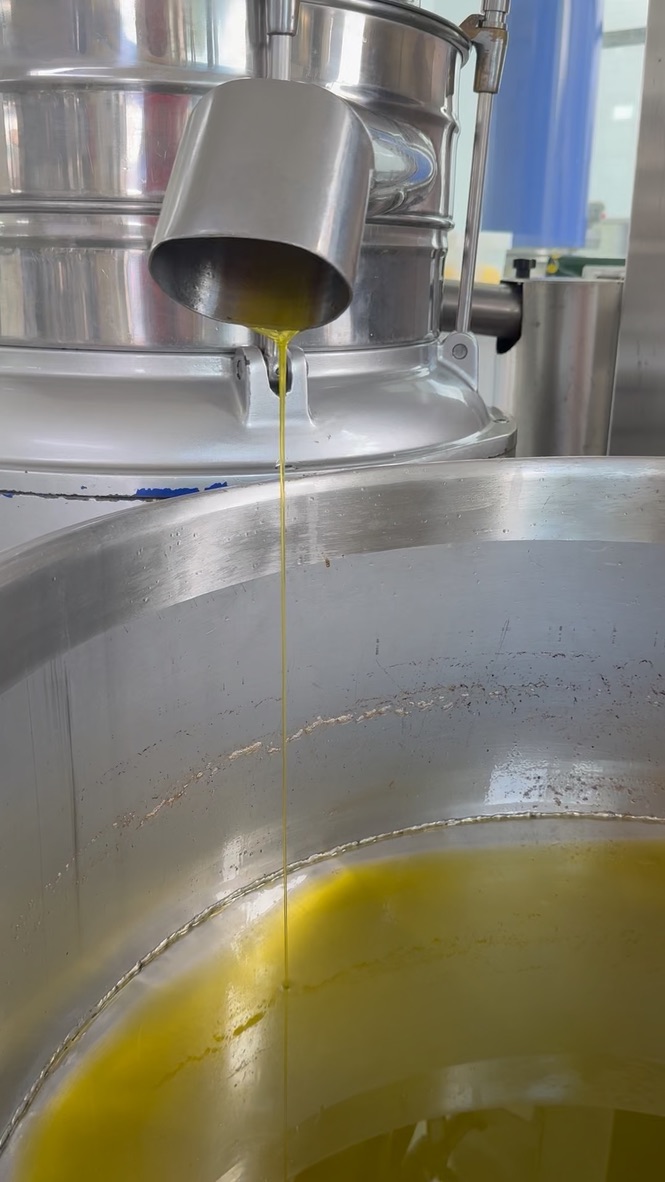
At the heart of Beyond Olives lies the frantoio — the press house — where olives transform into oil through a process governed by a single principle: preserve the essence of the fruit. Here, temperatures never exceed 27°C. No heat is forced. No chemicals are added. Nothing is corrected or industrialized. Daniel approaches the pressing the way he approaches surgery — with absolute discipline and a refusal to compromise. What emerges from this careful work is not merely a product. It is a record of the season.
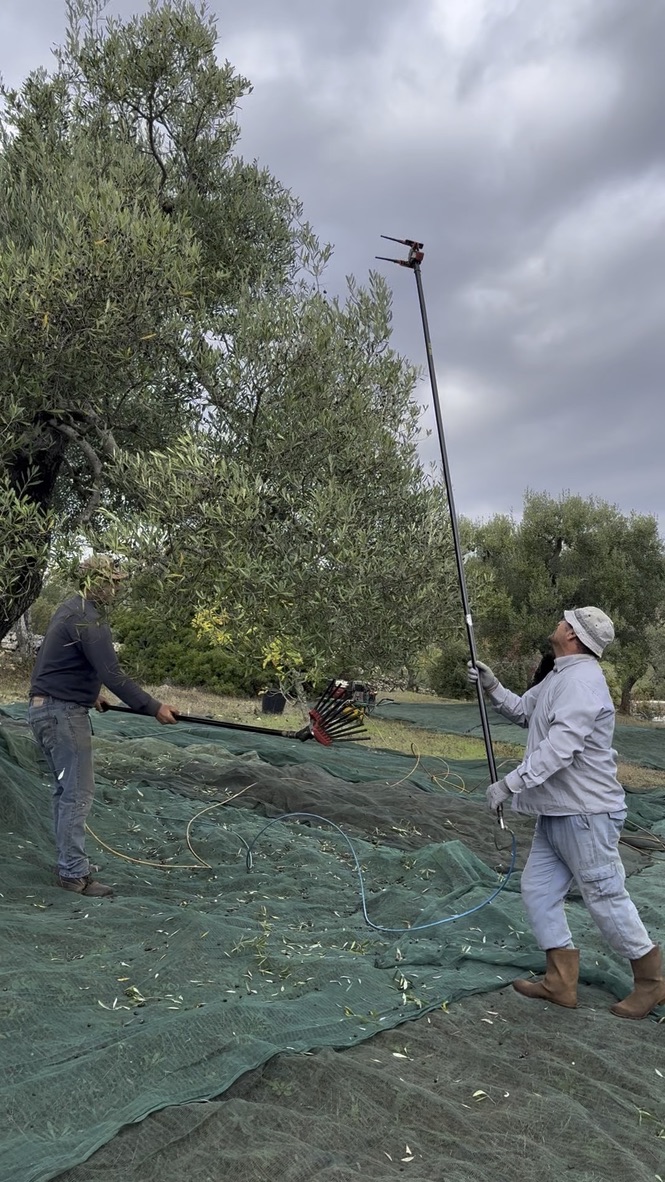
The pressing is where urgency meets patience. Olives picked in the morning must reach the press by evening — a narrow window, held open to catch the fruit before oxidation begins.
 La Pressione · The Pressing
Every step honors the fruit. Every step takes time. The result is oil that tastes of place, season, and care.
Never exceeding 27°C — the temperature at which delicate compounds remain intact
Heat is the enemy of quality. Industrial presses take the paste to 40, 50, even 60 degrees to speed extraction — more oil per olive, and less of everything worth tasting: the complexity, the bitterness, the peppery finish.
Our press house is cool, water circulating continuously through the centrifuge, temperature watched obsessively. It takes far longer — and the oil that comes out still remembers the fruit.
 Il Flusso · The Flow of Oil
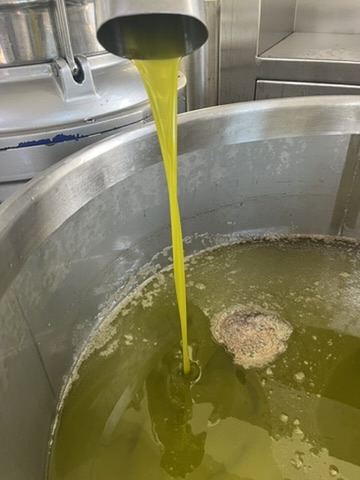
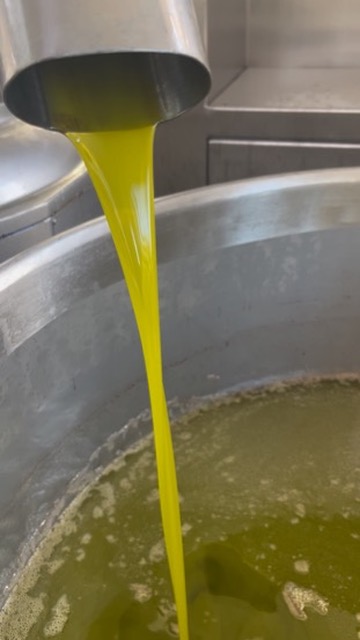
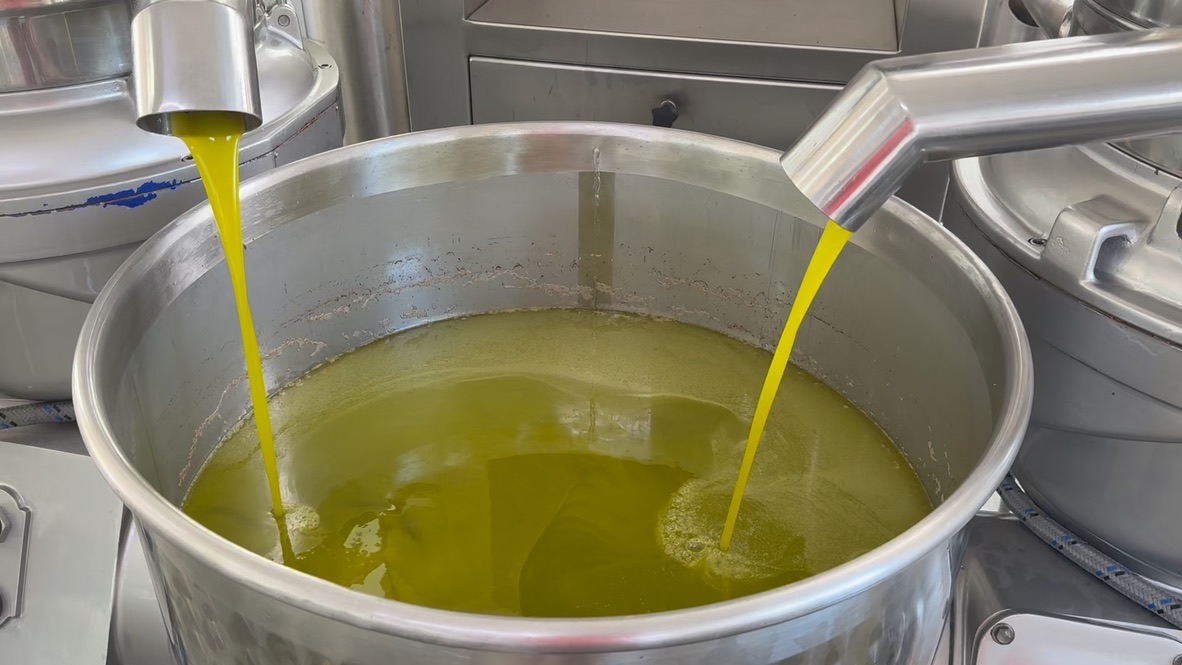
The smell arrives before the oil does — green and sharp, filling the small room of the frantoio with grass, almond, earth after rain. It lasts only hours; those are the volatile compounds leaving. What stays in the bottle is deeper, but never again this bright.
Then the colour: early-season oil green with unripe fruit, late-season deepening to gold. Then the taste — the peppery catch, the faint bitterness of polyphenols, artichoke and green almond, and the warmth that stays after swallowing.
This is oil alive. This is the season in a bottle.
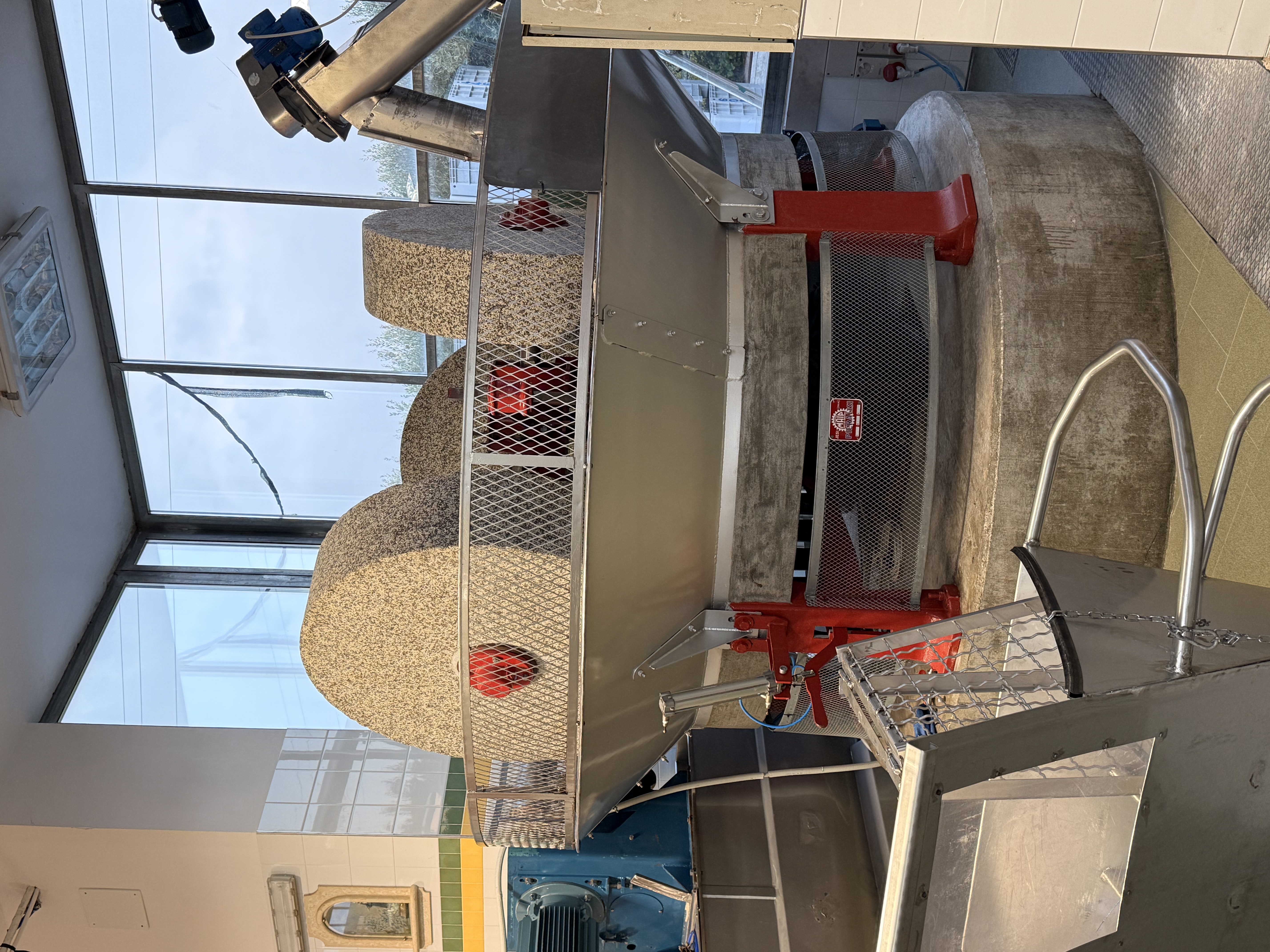
The oldest technology for crushing olives. Stone wheels preserve the complex matrix of the fruit, allowing the gentle mechanical action that respects the integrity of pit and flesh. Their speed is measured, not rushed.
A slow mixer turning the crushed paste. Patience is built into the machine: it moves at the pace droplets need to find each other, rather than shattering them apart.
Modern engineering for precise separation. The centrifuge spins at controlled speeds with continuous water circulation, maintaining temperature and allowing physics to do what gravity cannot do fast enough. Technology serving craft, not replacing it.
Oil holds life. The trees have always known this.
"Nothing corrected. Nothing industrialized."
The oil you hold is not a standardised product that could have been made anywhere. It carries the signature of these trees in this season — and the pressing exists to preserve it, not erase it.
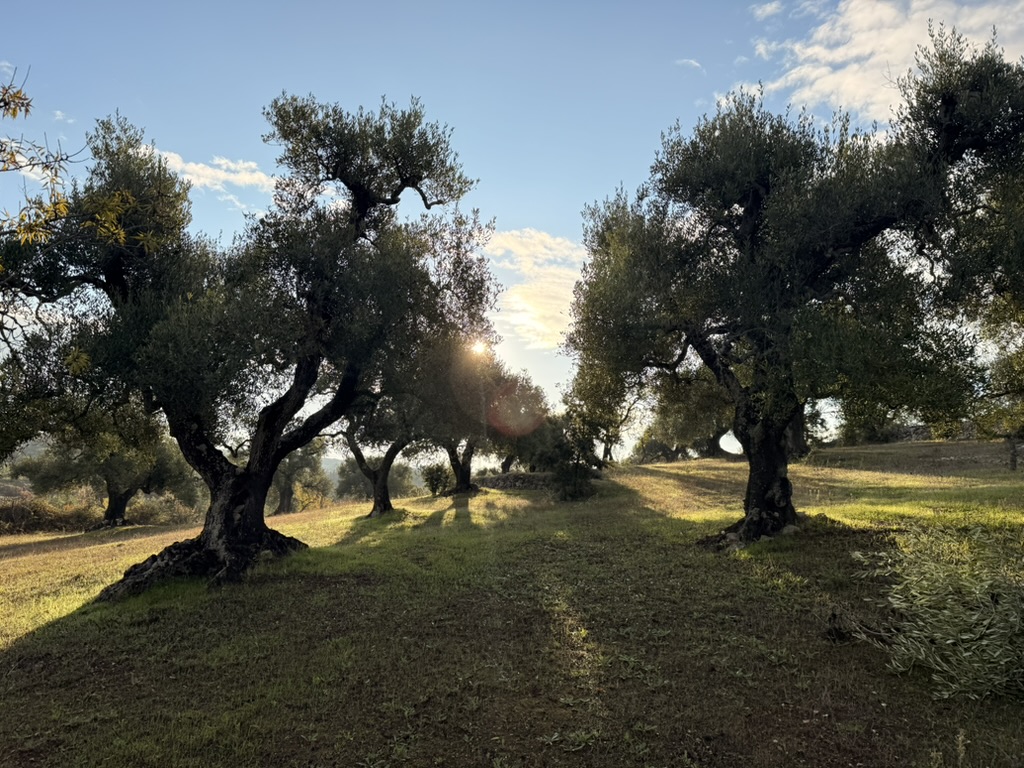
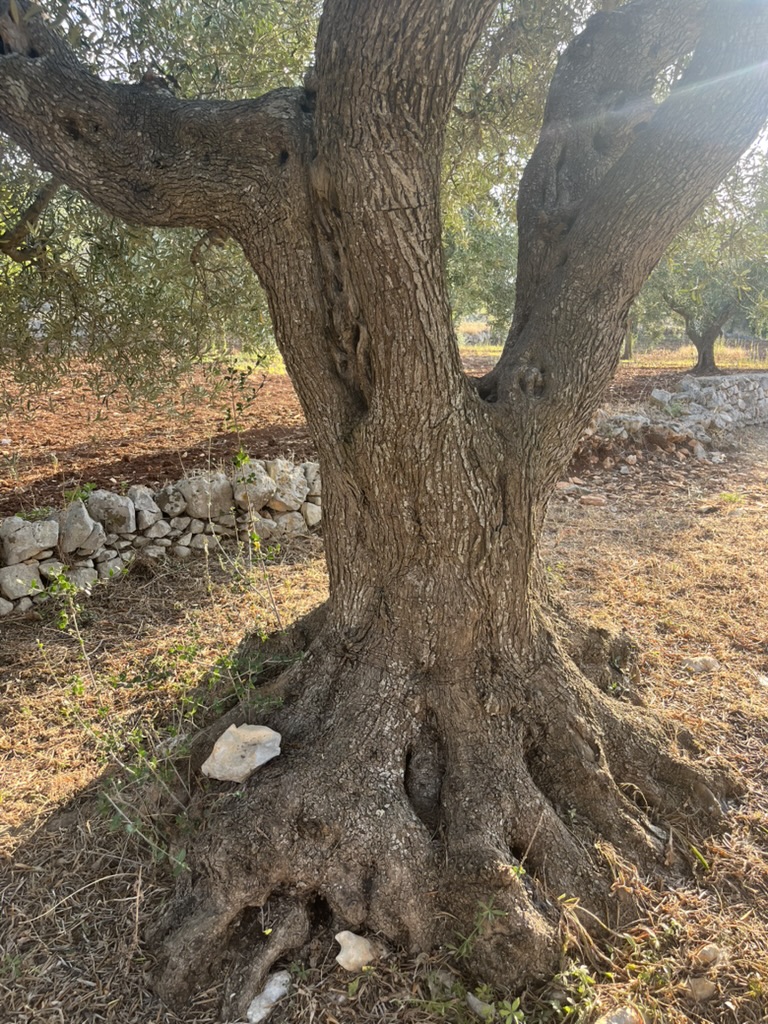
These trees have stood through centuries of drought and abundance. What they give is not a commodity but the distillation of deep roots and long patience, and every drop carries the memory of the tree it came from.
In a world of interchangeable commodities, this pressing is an act of refusal: no speeding up for efficiency, no trading quality for quantity, no industrial process promising consistency at the cost of character.
 Home
Home The Farm
 The Land
 The Renovations
 Overview
 The Trees
 The Olives
 The Harvest
 The Pressing
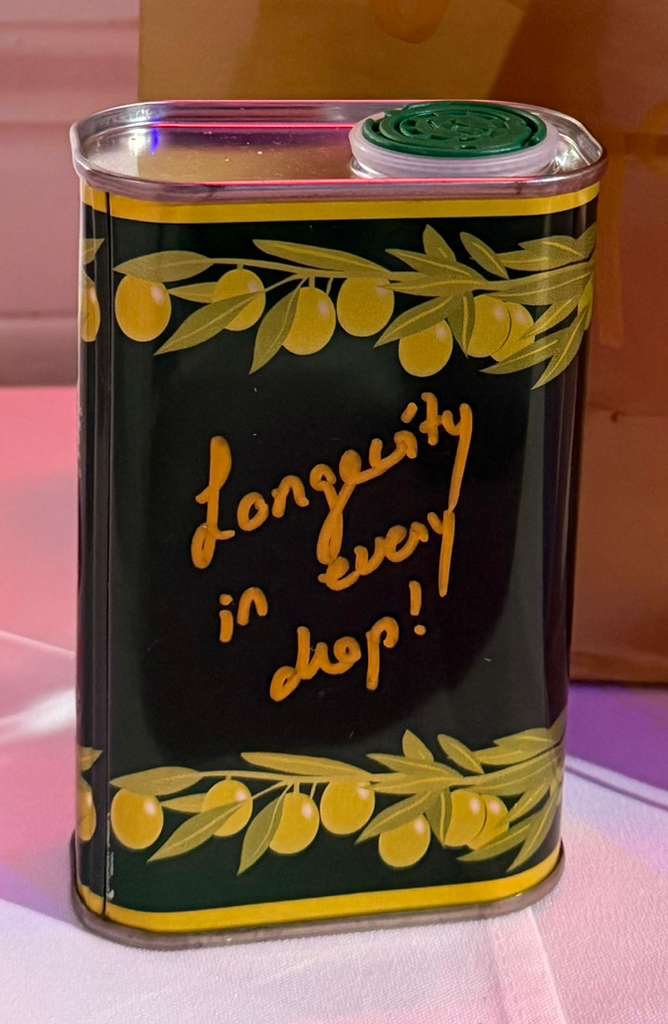 2025 Vintage
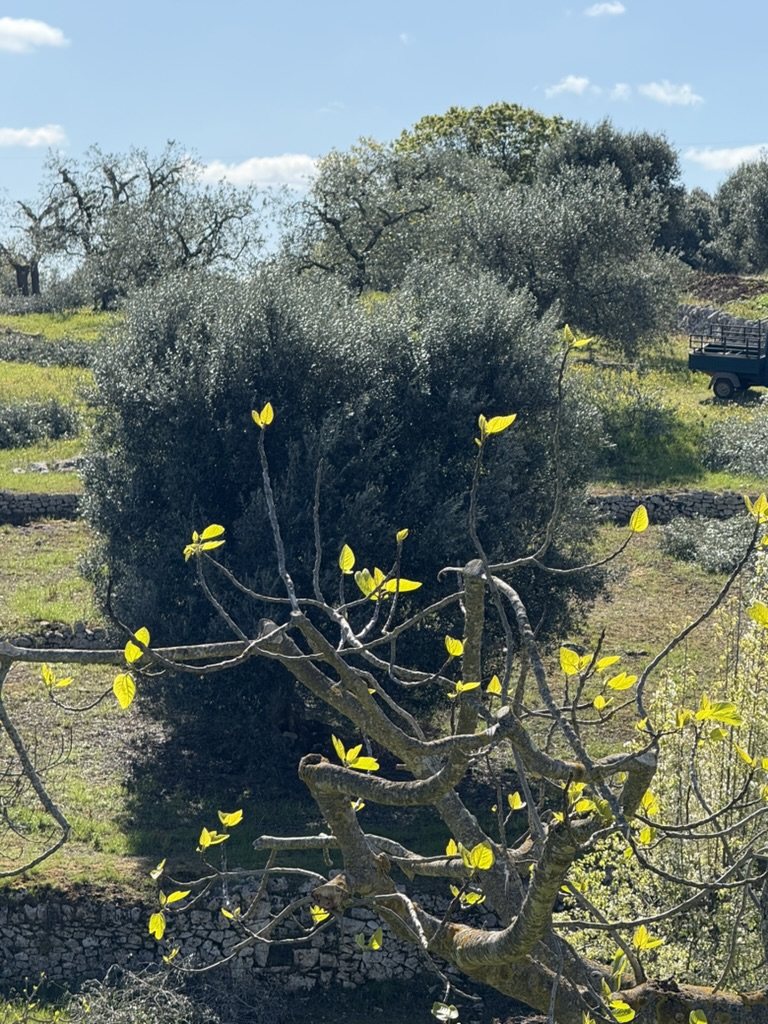 Bee Sanctuary
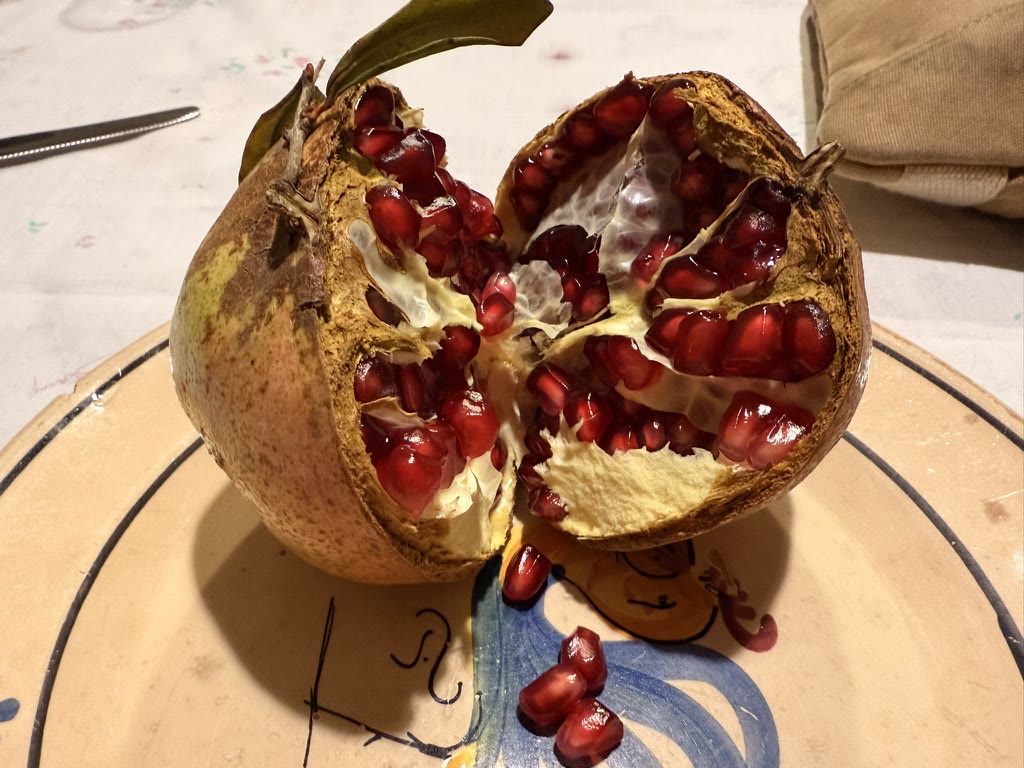 Biodiversity
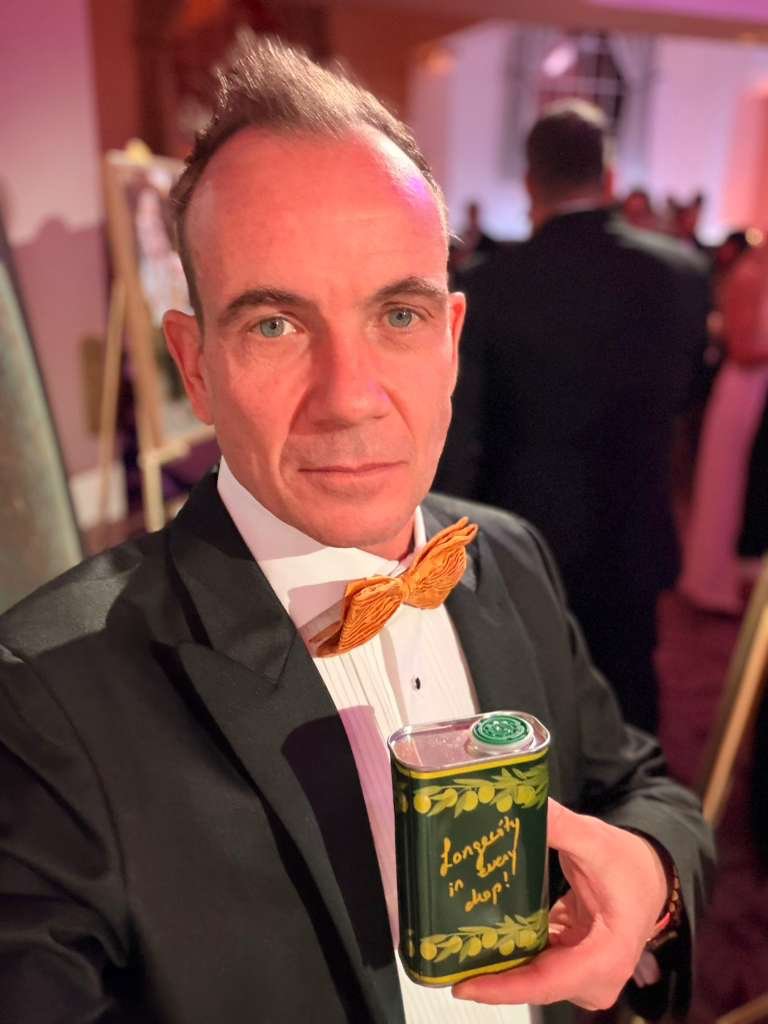 The Steward