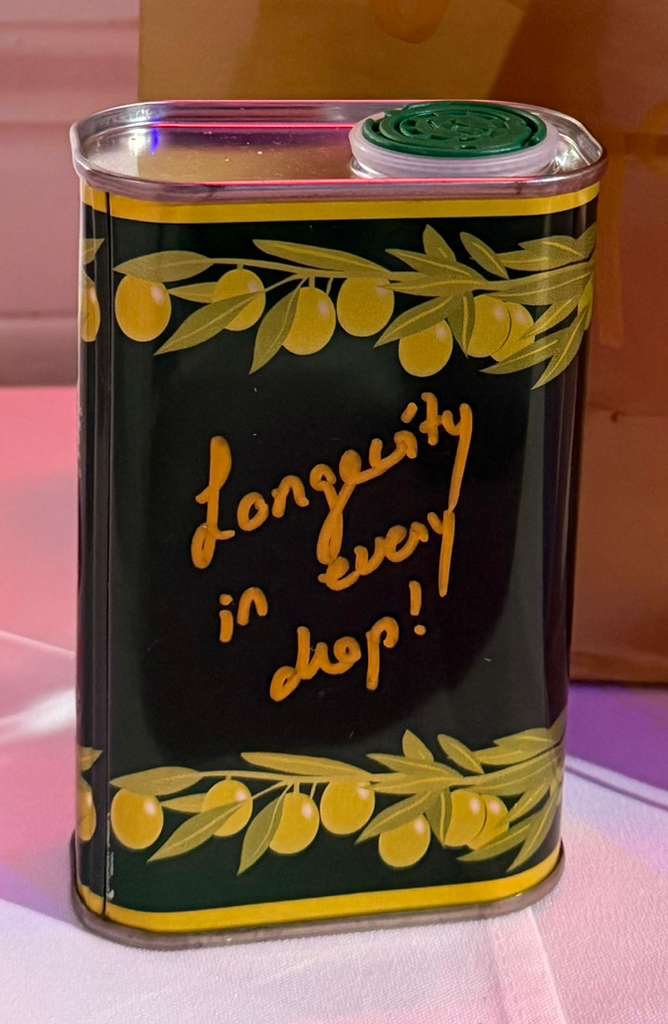
 Oil holds life." class="reveal-scale float" loading="lazy">
From 44 organically tended trees in the limestone soil of southern Italy comes a harvest measured not in volume, but in reverence. Timeless. Rooted. Alive.
Boutique by scale. Family by conviction. Crafted for those we hold dear — and from the land we deeply adore.
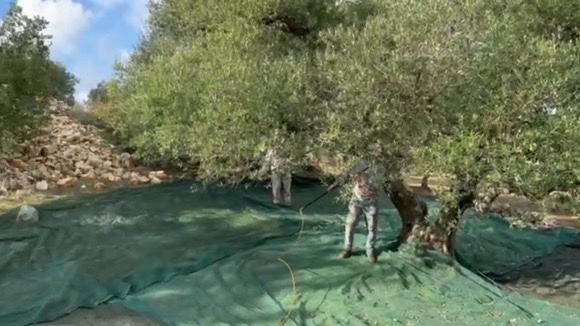
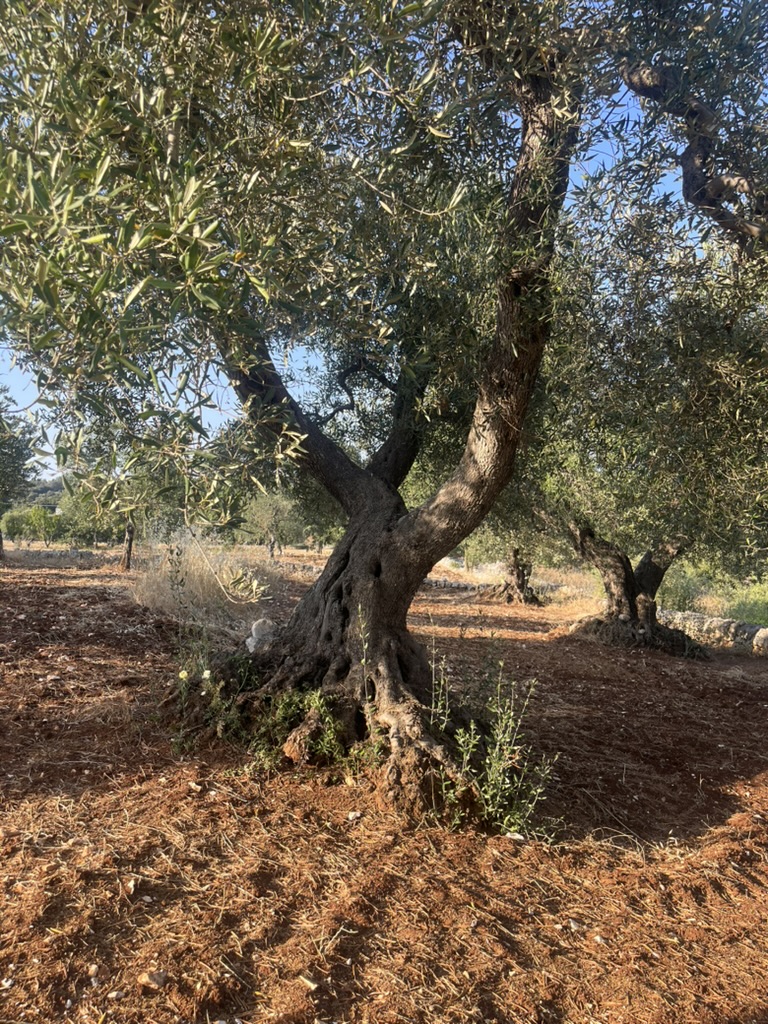
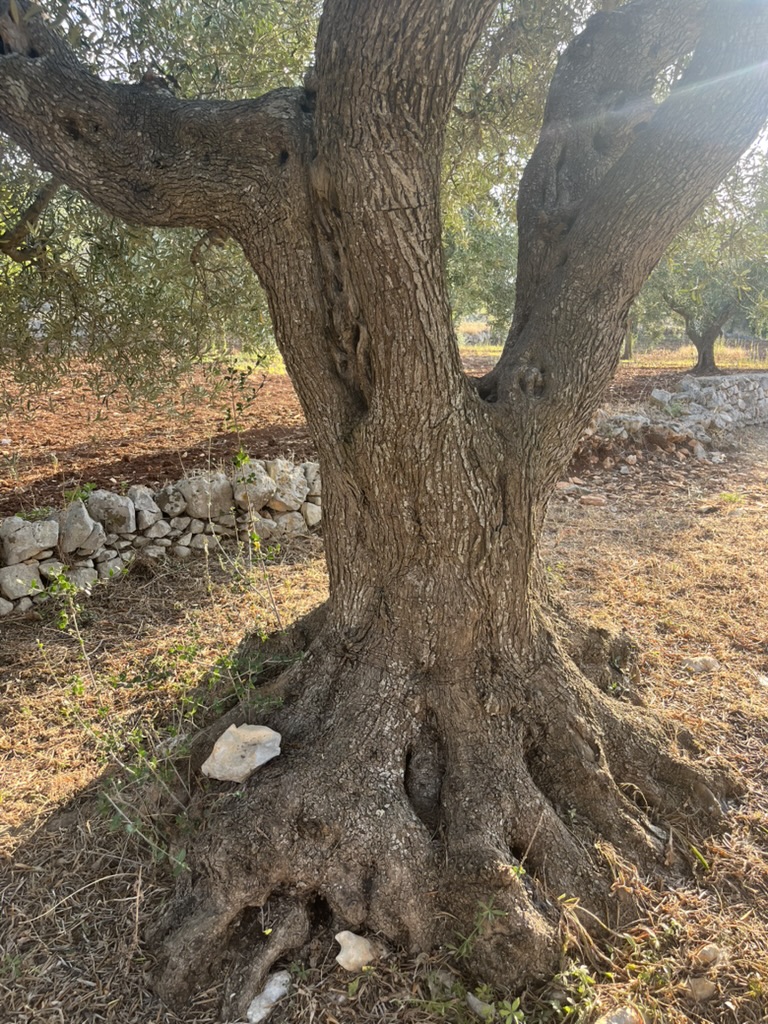
Some of these trees have stood for over 500 years, shaped by Adriatic salt winds, relentless summers, and generations of quiet endurance. We steward, we do not produce: each olive harvested by hand and cold-extracted within hours. Nothing corrected. Nothing industrialized.
What is ancient requires no improvement — only protection.
Enquire About the 2025 Harvest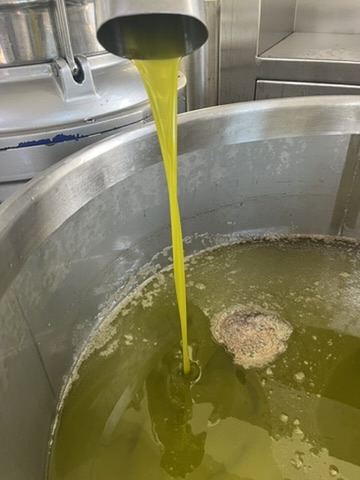 Freshly Pressed
 Cold Extraction
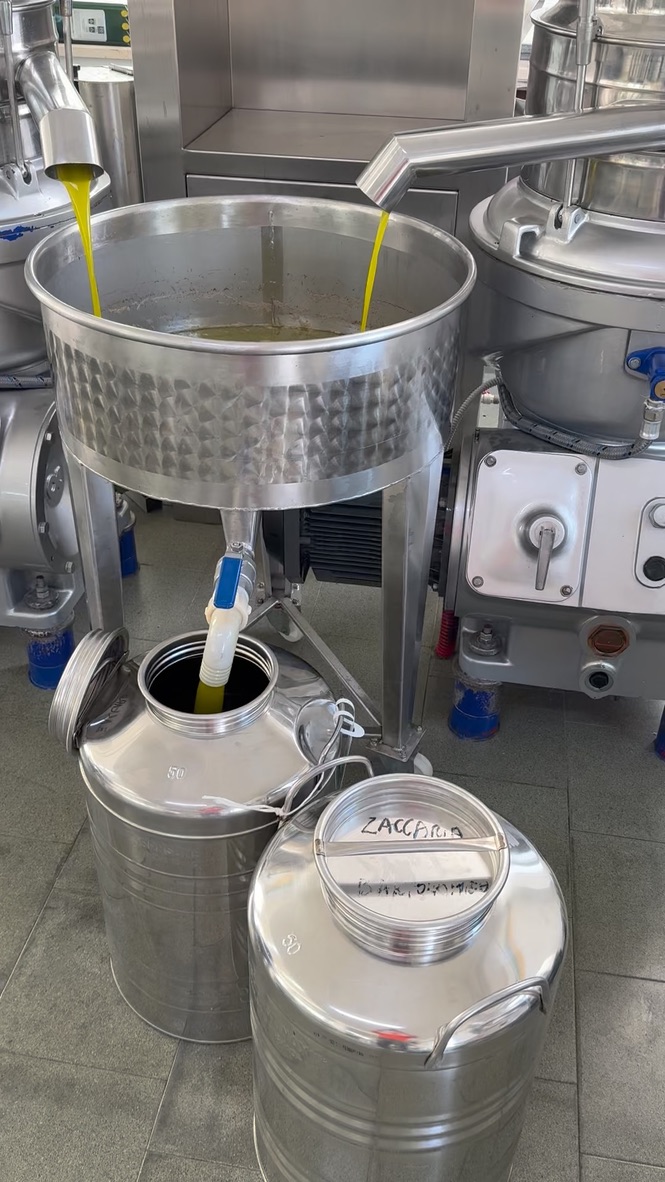 The Frantoio
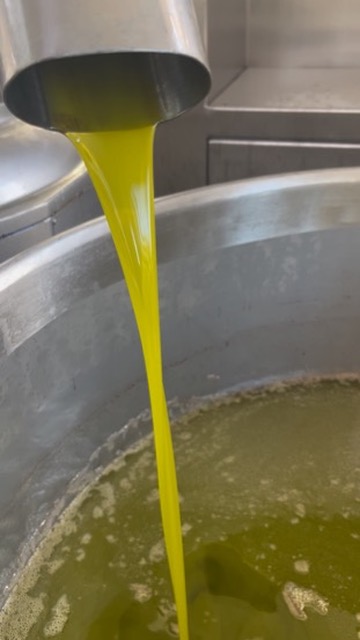
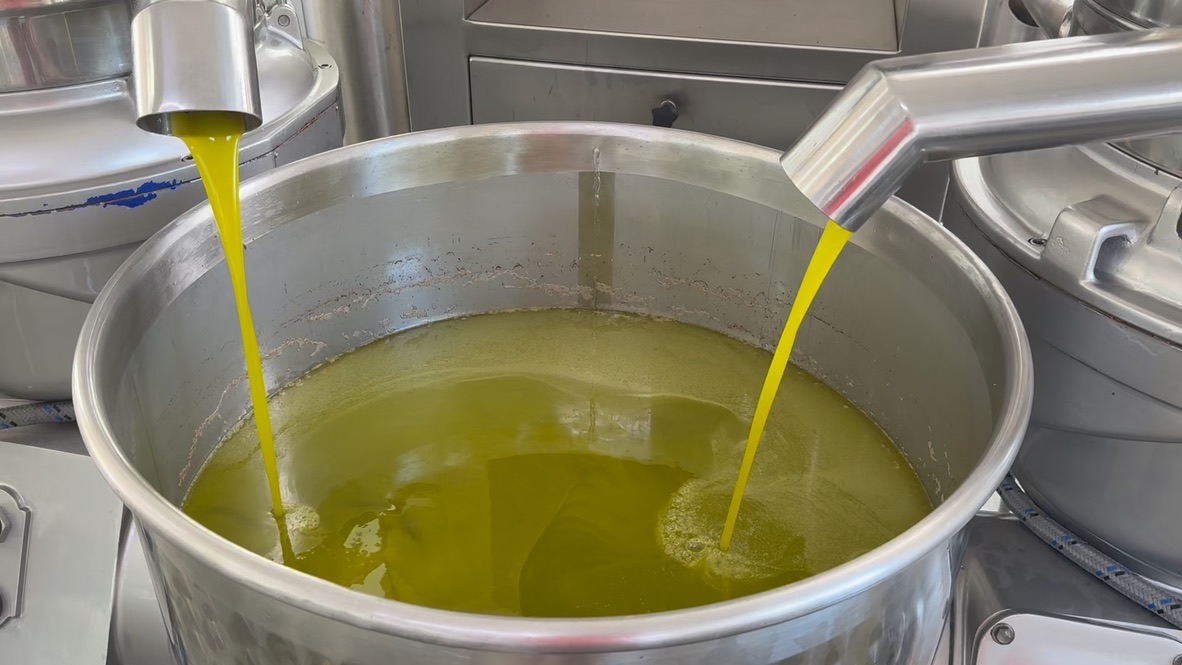
Picked by hand, cold-extracted within hours, the frantoio working gently enough to leave the fruit's living qualities intact. Nothing corrected, nothing industrialised — what comes out tastes of limestone, old roots, and careful hands.
Industrial pressing heats oil to 80°C or beyond, maximising yield at the cost of the volatile compounds that carry flavour. We hold to 27°C. The result is less oil and better oil — the green of the harvest moment, the peppery bite of polyphenols, everything heat would have destroyed.
Deep gold-green, catching light like liquid amber. The color speaks of the moment of harvest—olives at their ideal maturity, when sugars are balanced with acidity and polyphenols are at their peak.
Hold it to the light. The green inside the gold is chlorophyll — proof the oil was never refined or stripped, and that it was pressed within hours of picking. Early in the year the green dominates; by spring the gold deepens. The colour is time made visible.
Herbaceous and fresh, with suggestions of green almond, fresh-cut grass, and artichoke leaf. The nose is clean and alive—the signature of a freshly pressed oil that has not oxidized.
Under the grassy notes lies a minerality — the limestone, expressed as scent — and a soft nuttiness particular to Cellina di Nardò. The aroma is not static; it opens as the oil warms in the glass. Worth lingering over, since flavour begins well before the first taste.
Peppery and grassy on the entry, with a gentle warmth in the throat—the natural sign of a high-polyphenol, early-harvest oil. Notes of green tomato, artichoke, and crushed green almond follow, with a mineral undertone that speaks of the limestone terroir.
The catch at the back of the throat is not burning but polyphenols — the same compounds that preserved the fruit. Mid-palate come green tomato and artichoke, and a faint bitterness that is the olive's own defence. The finish is clean and mineral, and it fades gently rather than insisting.
Clean and lingering, with a slight bitterness that fades to a subtle sweetness. The finish is the terroir of the Valle d'Itria expressed in liquid form—complex, nuanced, alive.
The oil does not improve with time. It is best consumed fresh—within the year of harvest—when its living qualities remain intact and its story is most vivid.
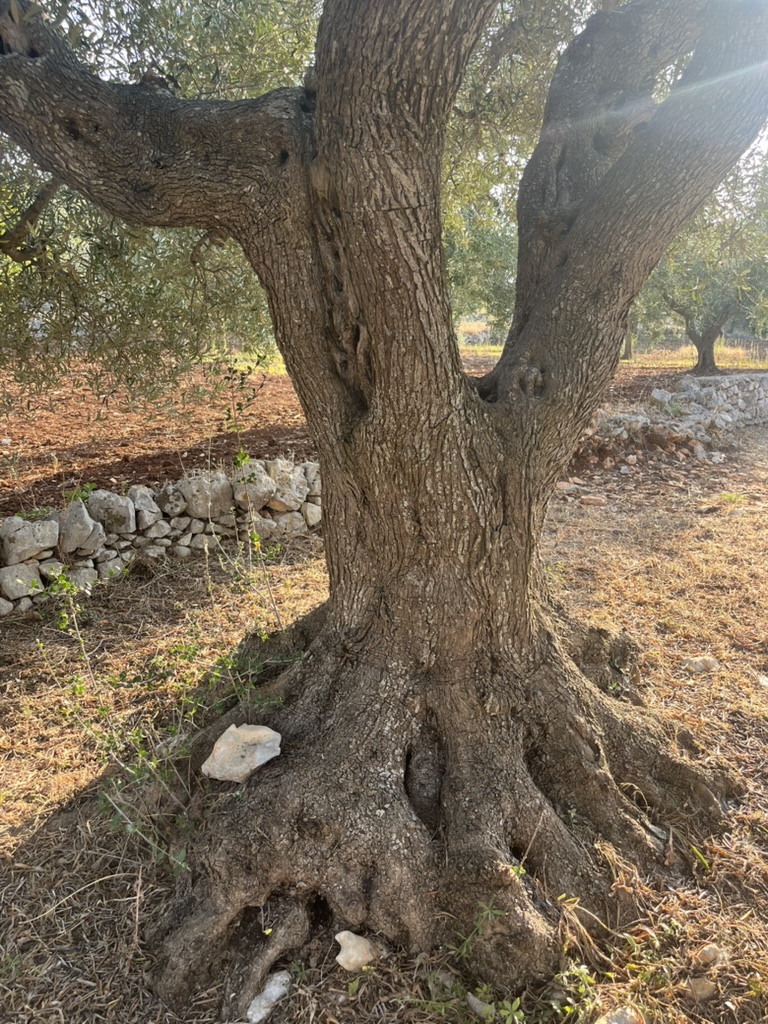
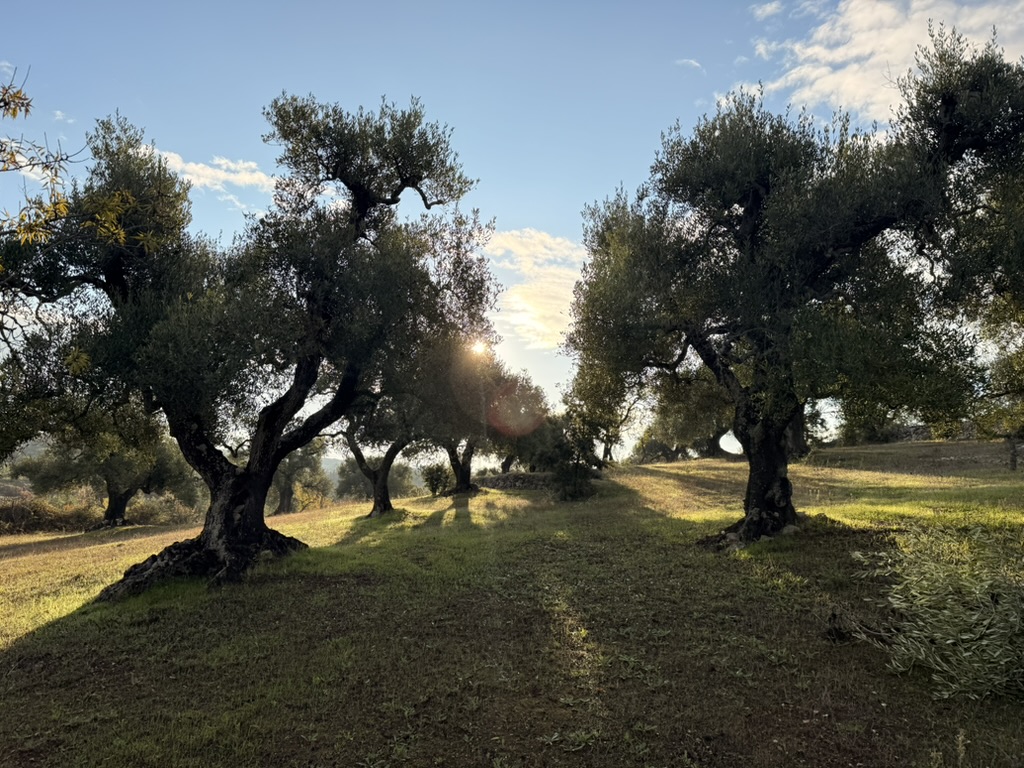
The 44 trees behind this oil are Ogliarola and Cellina di Nardò, both indigenous to Puglia, and some of them over 500 years old — gnarled trunks that have seen generations of harvest and rest.
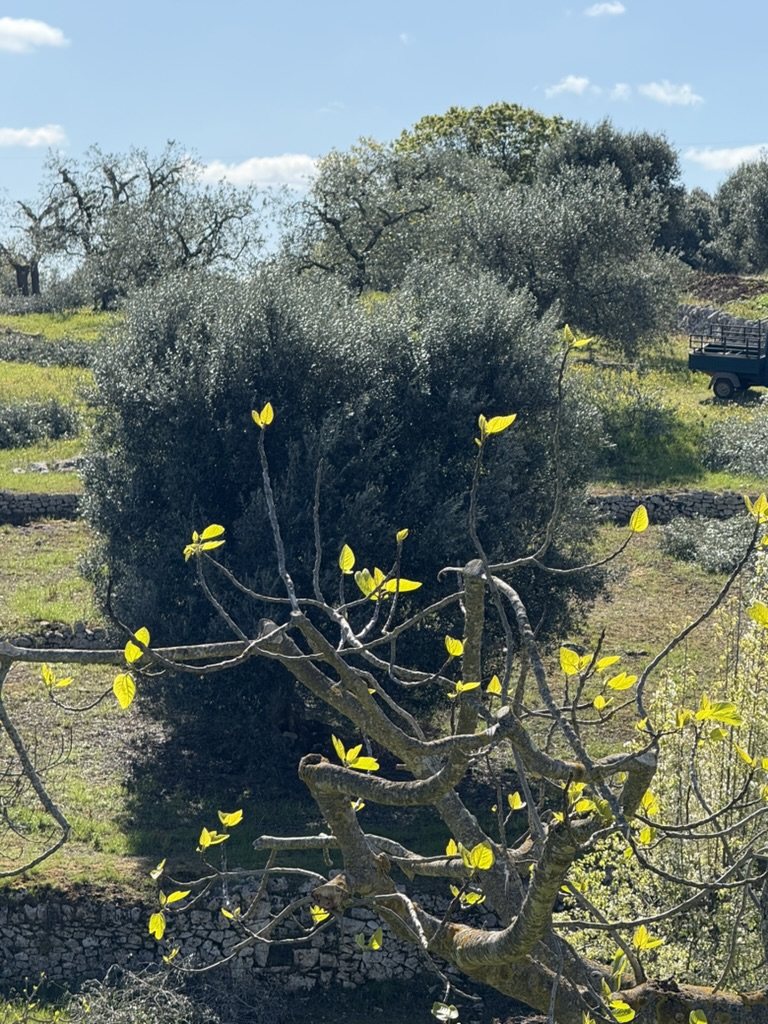
Organically tended — no synthetic fertilisers, no pesticides. Wildflowers at the edges, bees in the stone walls, birds in the branches. The soil is alive, and that life travels into the fruit and then into the oil.
These are not trees you rush. They set their own pace. Some years are abundant. Some years are spare. To work with ancient trees is to learn patience, respect, and the deep intelligence of place.
The olive tree is a teacher. It teaches you about time.
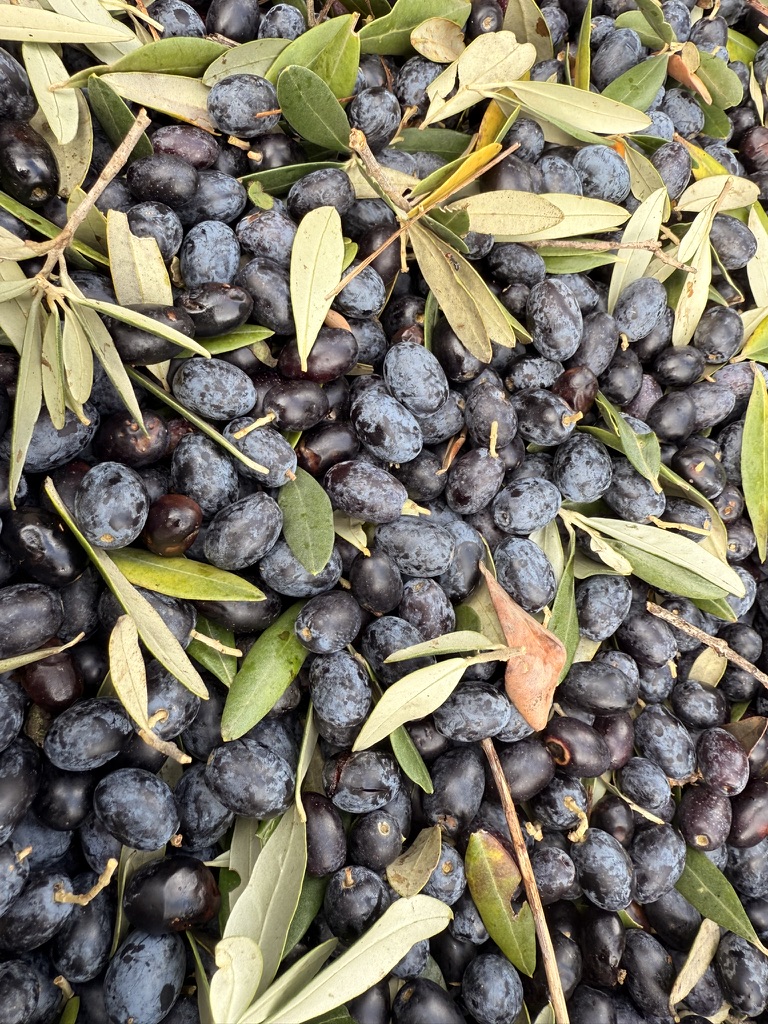
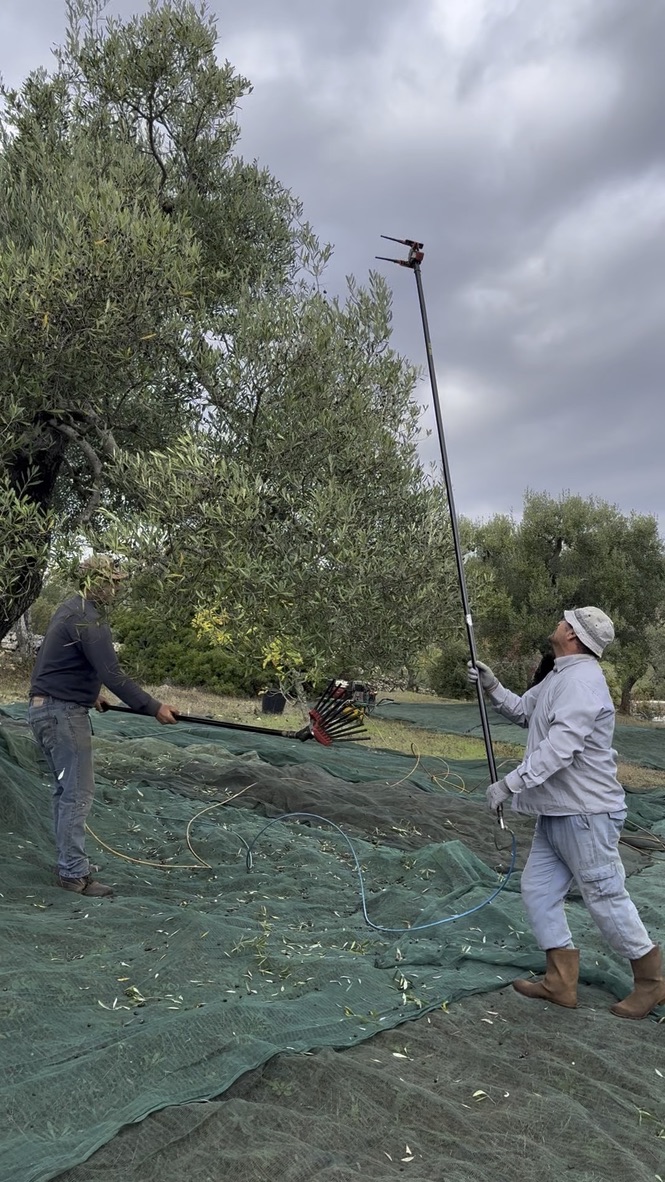
From October to December the picking teams arrive at dawn with nets and baskets. The air is cool and the fruit is at the balance point between sugar and acidity, taken one olive at a time.
The moment an olive leaves the tree a clock starts. It has hours to reach the press house — that speed is the whole difference between this oil and an industrial one.
The harvest is not extraction. It is gathering. It is receiving what the tree offers to those who tend it with reverence.
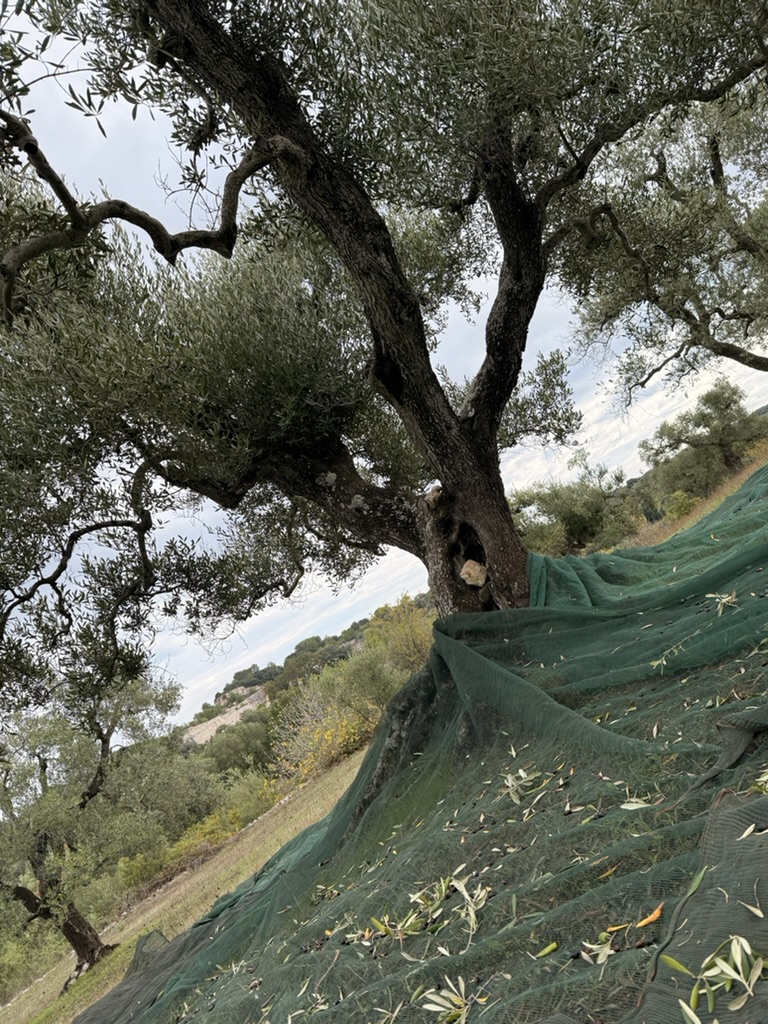
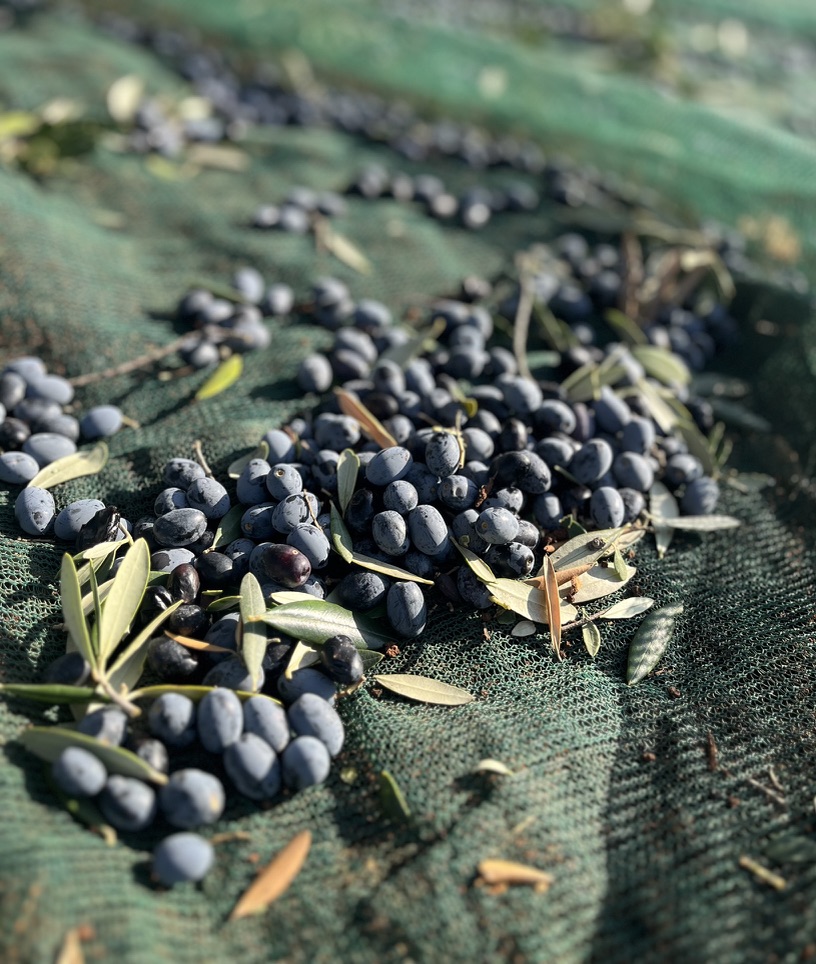
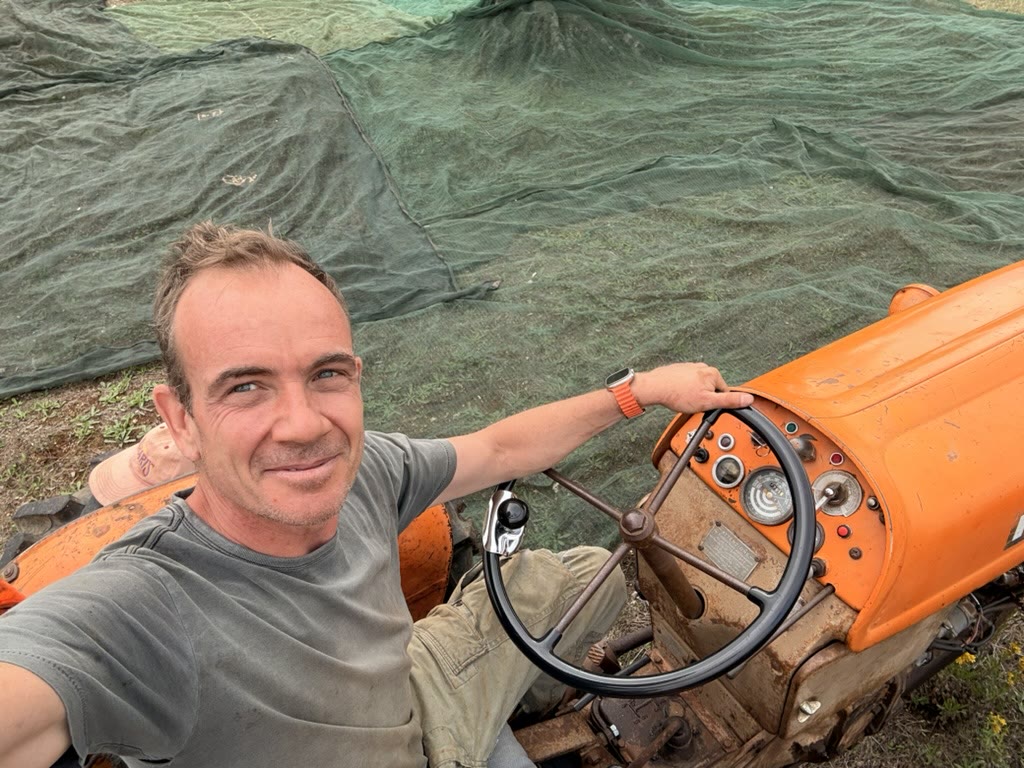
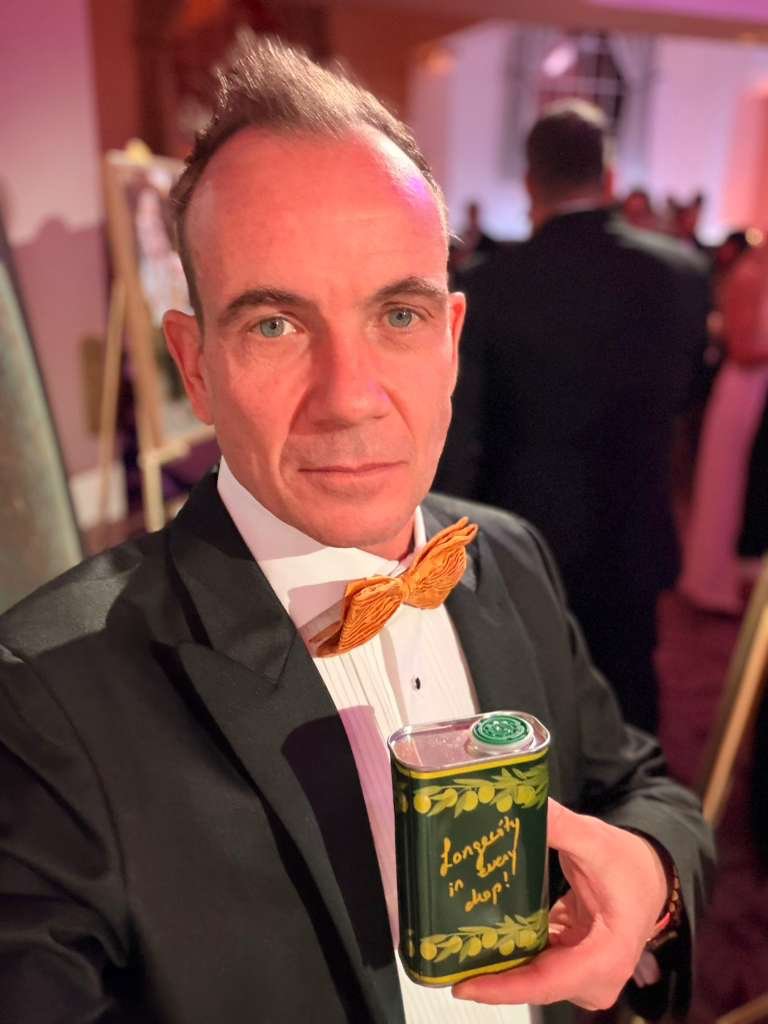
The farm is stewarded by Daniel Zumofen, a board-certified neurosurgeon and Professor of Clinical Neurology in Brooklyn. By profession he navigates the brain's most delicate vasculature; by calling, these groves.
Before each harvest he walks the grove, reading the trees the way he reads an angiogram. The quantity is never set in advance — the trees decide, and he makes sure what they offer is gathered carefully.
His philosophy is simple: The trees decide the quantity. I listen.
When roots run deep, time becomes flavor.
Reserve Your BottleA small-batch vintage from a season of balance and care. The final numbers reflect the trees' own wisdom about what they could offer in 2025.
Seventy-six litres becomes 76 half-litre bottles for the kitchen and 152 quarter-litres for tasting and gifts — each carrying the mark of one season and one place.
The 2025 harvest is available in limited quantities. Each bottle is a direct expression of this season, this land, these trees. To reserve your portion of the Beyond Olives 2025 vintage, please reach out.
Enquire About AvailabilityEmail: hello@beyond-olives.com
To understand the oil fully you have to walk the farm, see the trees, and feel the Valle d'Itria underfoot.
 Home
Home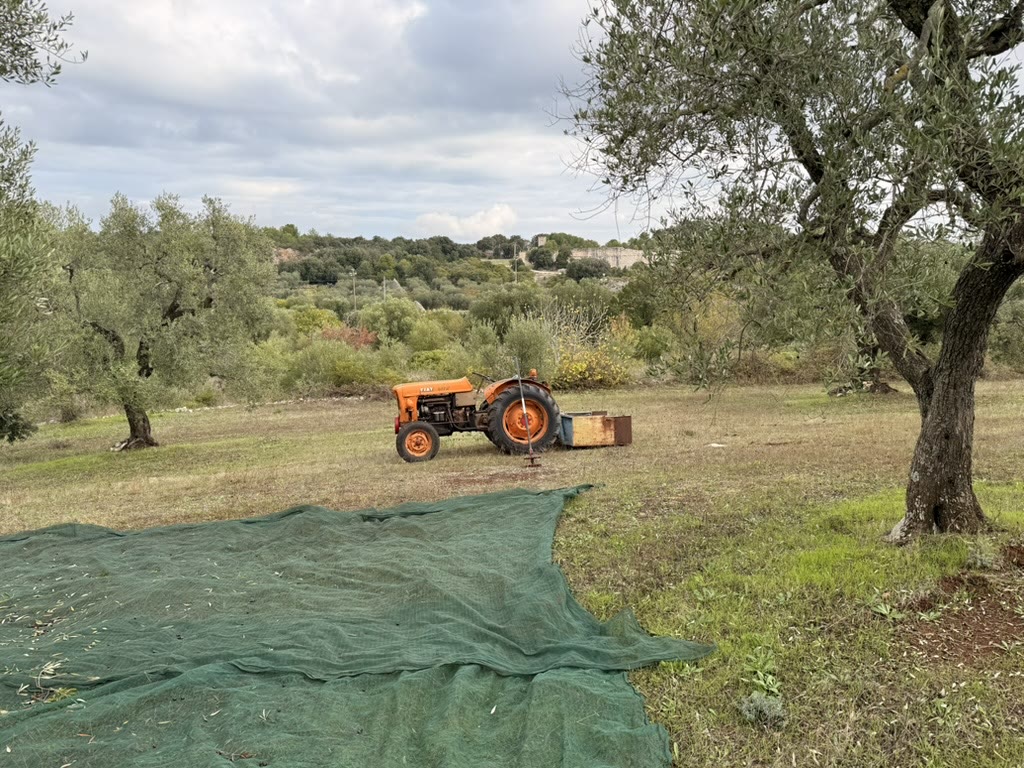 The Farm
 The Land
 The Renovations
 The Trees
 The Olives
 The Harvest
 The Pressing
 Bee Sanctuary
 Biodiversity
 The Steward