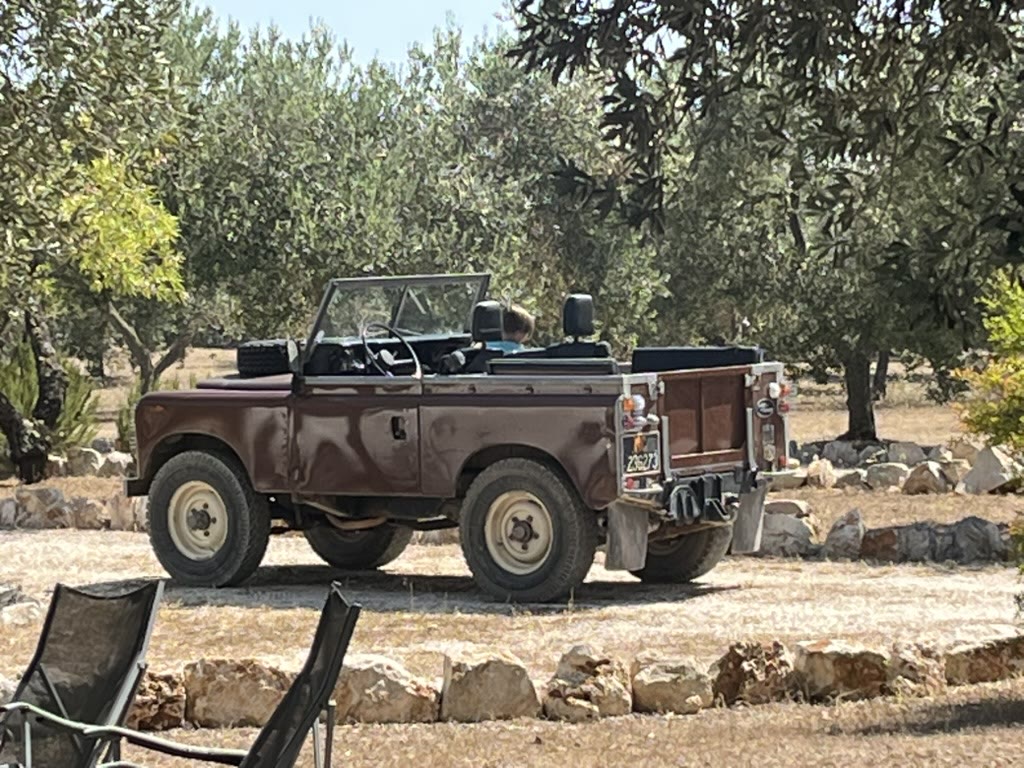
The harvest is not a single day. It is a season — a three-month period of focused, meditative labor. It begins in October when the first olives reach ripeness. It continues through November as the rhythm intensifies. It concludes in December as the final fruit is gathered and the presses fall silent. For Daniel — a neurosurgeon accustomed to the compressed urgency of the operating room — the harvest teaches a different kind of timing: not faster, but more attentive. In surgery, every second counts. In harvest, every hour counts. Both demand the same thing: total presence.
The window shifts each year with the weather, the speed of ripening, and the steward's judgement. Some harvests come early, some late — the rhythm is constant, the timing never quite the same.
 Le Reti · The Nets
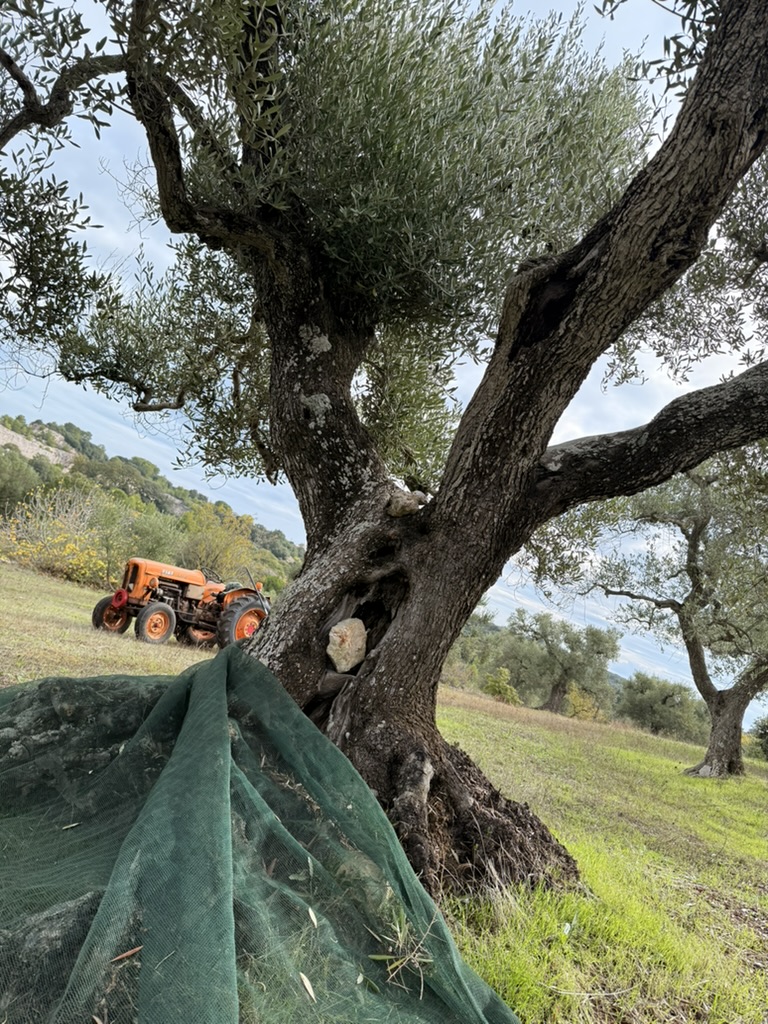
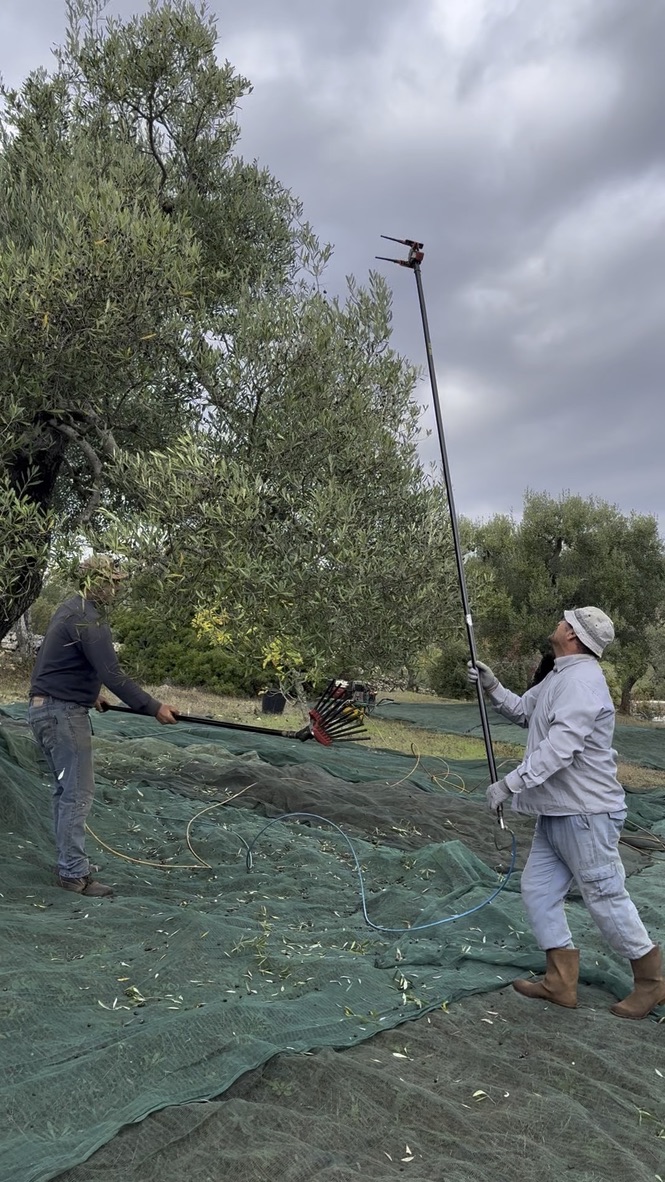
Before dawn the team arrives and spreads the nets — large, light tarps laid in a circle around each trunk to catch what the branches release.
They are old and much-patched, stained with oil and frayed at the edges. A net here might be decades old, kept and repaired like an heirloom.
This care for equipment reflects a deeper ethic: nothing is discarded if it can still serve. Everything lasts longer through respect and maintenance.
As the sun comes up the work begins. Some pick by hand, stripping the branches with the care usually given to flowers; others work mechanical shakers that vibrate the ripe fruit loose. Most of the day is both at once — the best fruit by hand, the rest by shaker.
The Fiat runs all day, carrying equipment out and full buckets back, along with workers and water — and standing as the only shade at midday.
Speed is critical. Olives must reach the press house within hours of harvest to preserve freshness and prevent oxidation.
 Il Ritmo · The Harvest Rhythm
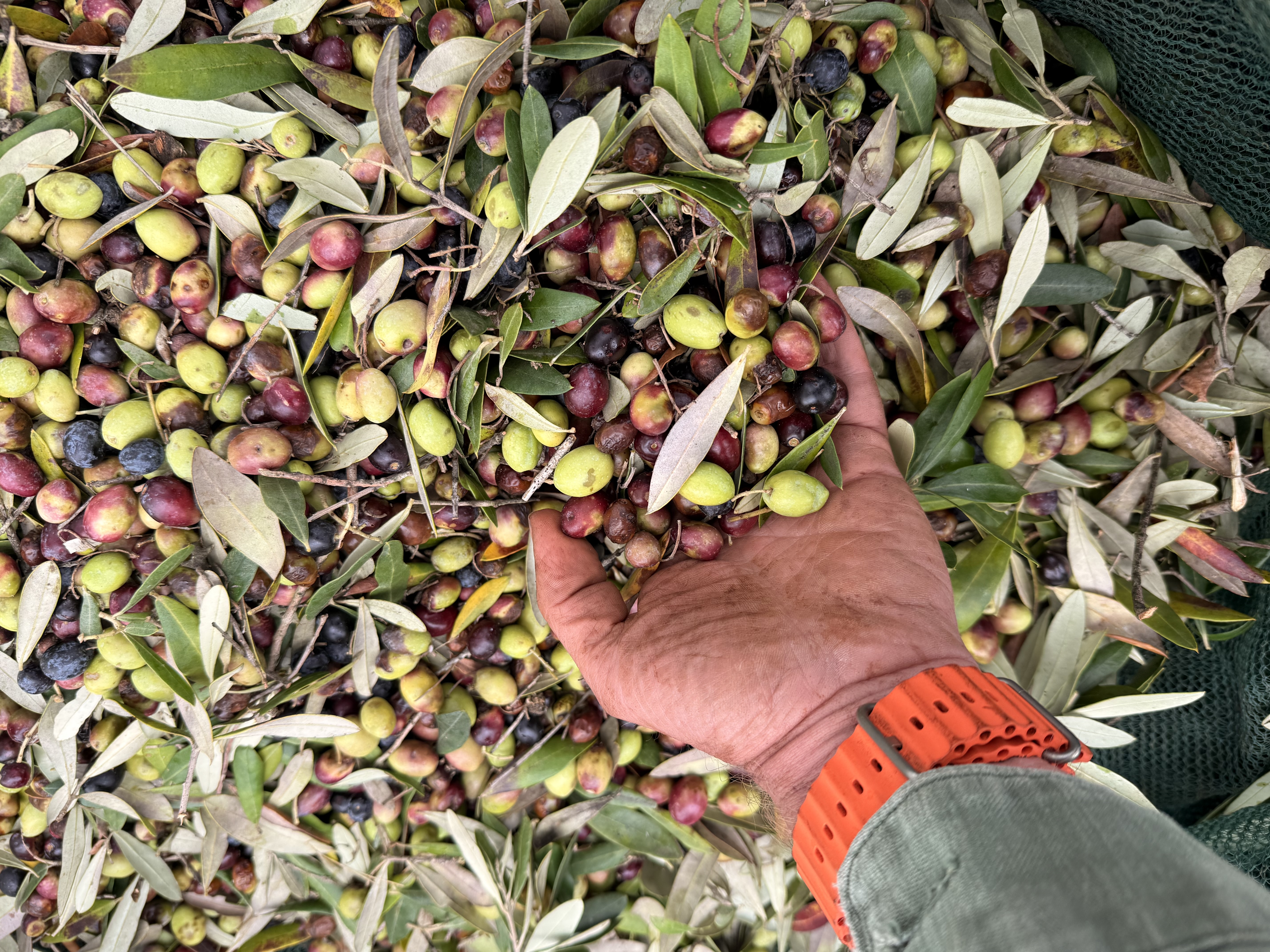
The work is repetitive and close to meditative. Hands through branches, olives into nets, buckets filled, nets reset — the same sequence stewards of this land made centuries ago.
Dawn until the morning cool gives out, rest through the midday heat, back to it in the afternoon, done as the sun drops. The day follows the sun; the work follows the tree.
In this rhythm, conversation deepens. Minds quiet. The work becomes meditative, a form of prayer executed through the body.
Old tarps, patched season after season, spread beneath each tree — the surface between what the tree releases and the hands that gather it. A good one lasts decades, and every patch is a different colour.
Food-grade buckets of 20–30 litres, all identical so weight can be judged by eye. Full, they carry 15–20 kg. By evening dozens have been filled and emptied several times over.
The orange Fiat 411R carries nets, buckets, workers and supplies, and gets the fruit to the press house within hours of picking. Mechanisation in service of the place rather than instead of it.
From the moment they are gathered, the clock runs. Olives oxidise fast — polyphenols break down, flavour flattens. The difference between pressing at two hours and at eight is not subtle.
Speed here is not about volume but about keeping the polyphenols intact and the aromatics alive — the tree's own character, arriving clean.
The harvest is not extraction. It is gathering. It is receiving what the tree offers to those who tend it with care.
Family returns for the season, friends volunteer, hired workers arrive at dawn. For a few weeks the grove is a place of shared purpose.
There is solitude in it too. The repetition and the focus put you somewhere quiet, alone with one tree's structure until you know it.
This balance of community and solitude is one of the harvest's greatest gifts—the experience of being part of something larger while also being fully, individually present.
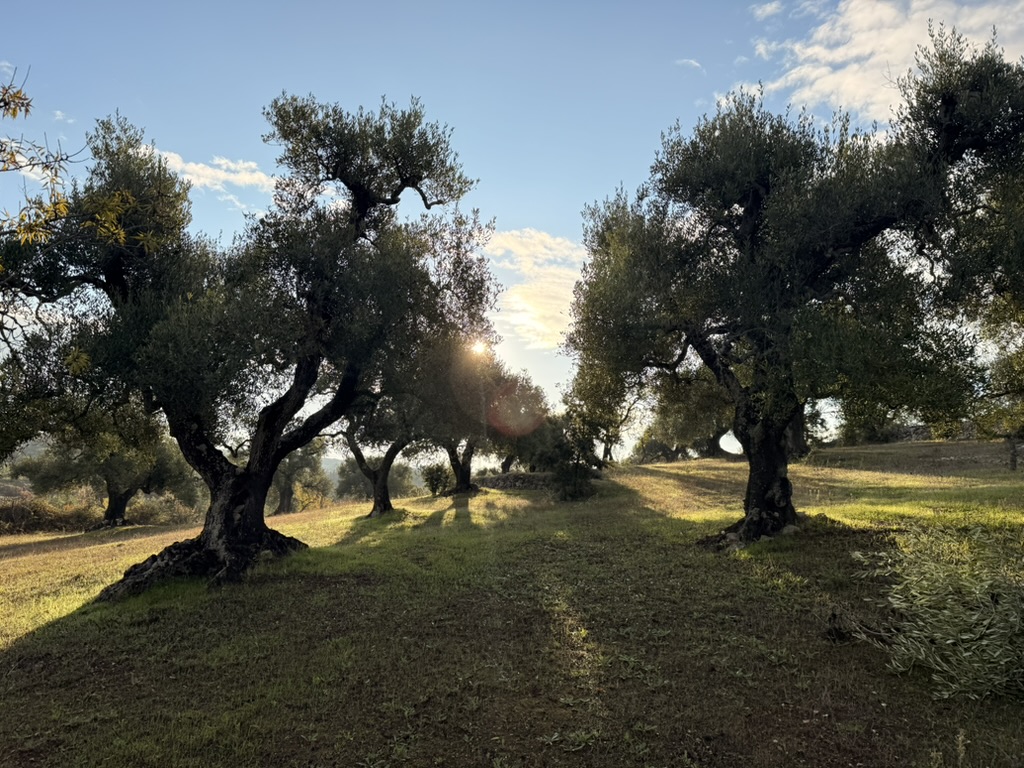
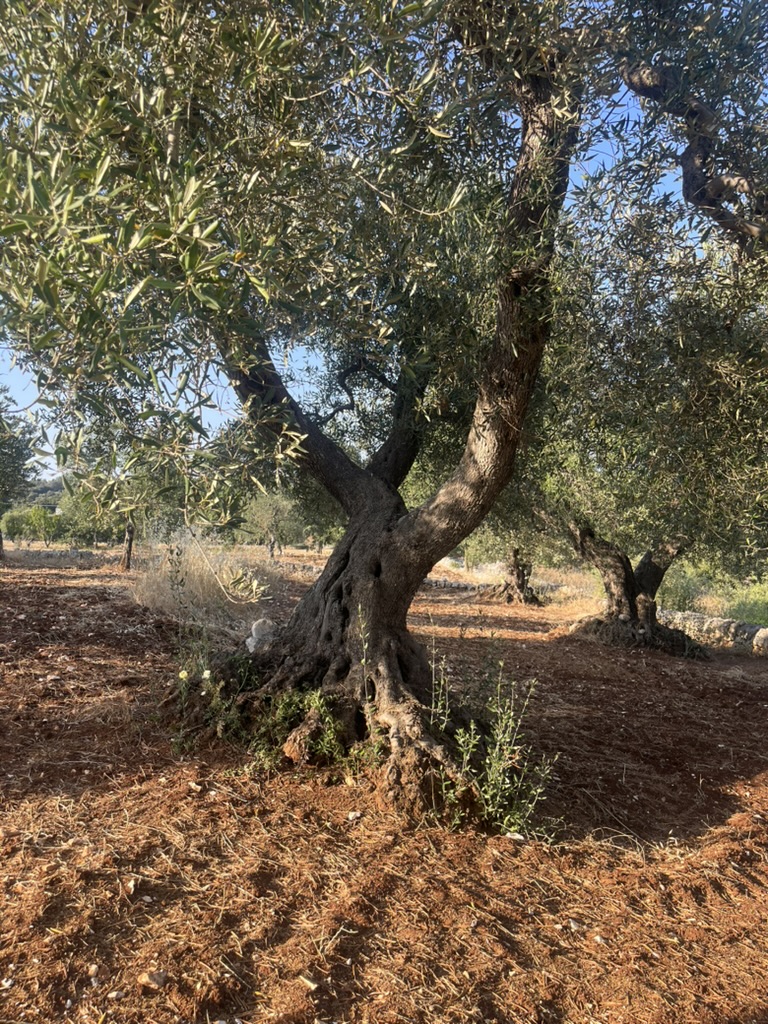
The oldest trees give the finest oil — their gift, distilled from centuries of patience.
Come during harvest. Join the team at dawn, spread nets beneath trees that have watched generations pass, and feel the weight of the fruit in your hands. Watch the Fiat move through the groves, and see something essentially unchanged still happening, in this place, in this year.
The harvest teaches patience and presence. Each tree endures drought and wind and answers every autumn with oil.
 Home
Home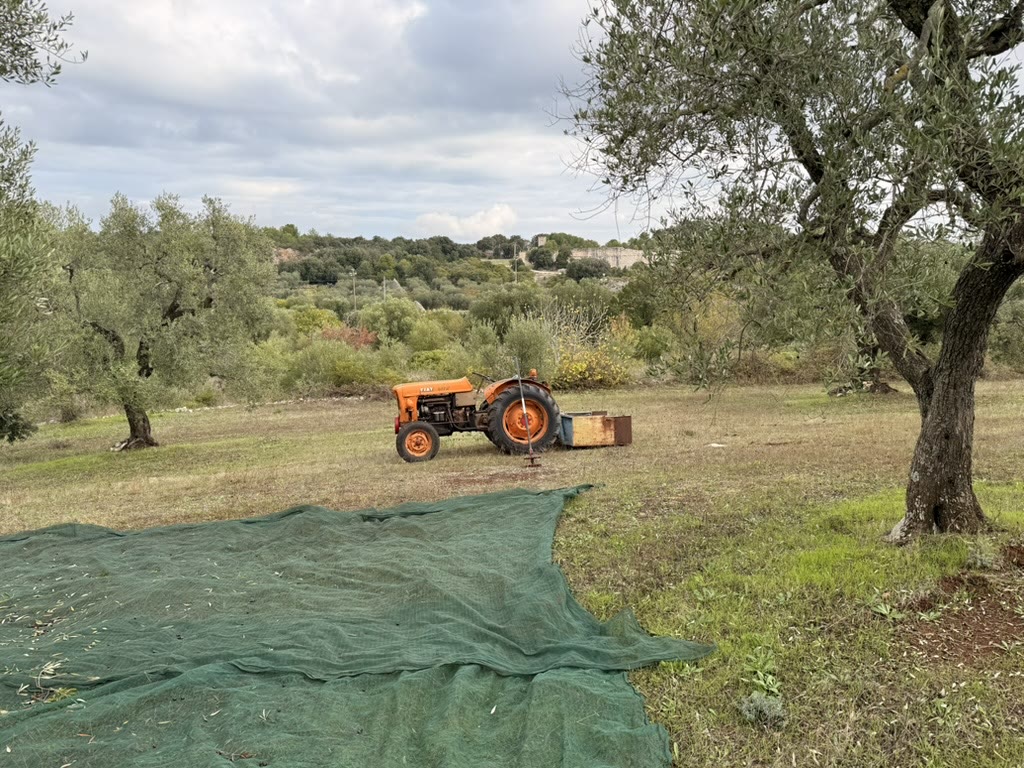 The Farm
 The Land
 The Renovations
 Overview
 The Trees
 The Olives
 The Harvest
 The Pressing
 2025 Vintage
 Bee Sanctuary
 Biodiversity
 The Steward