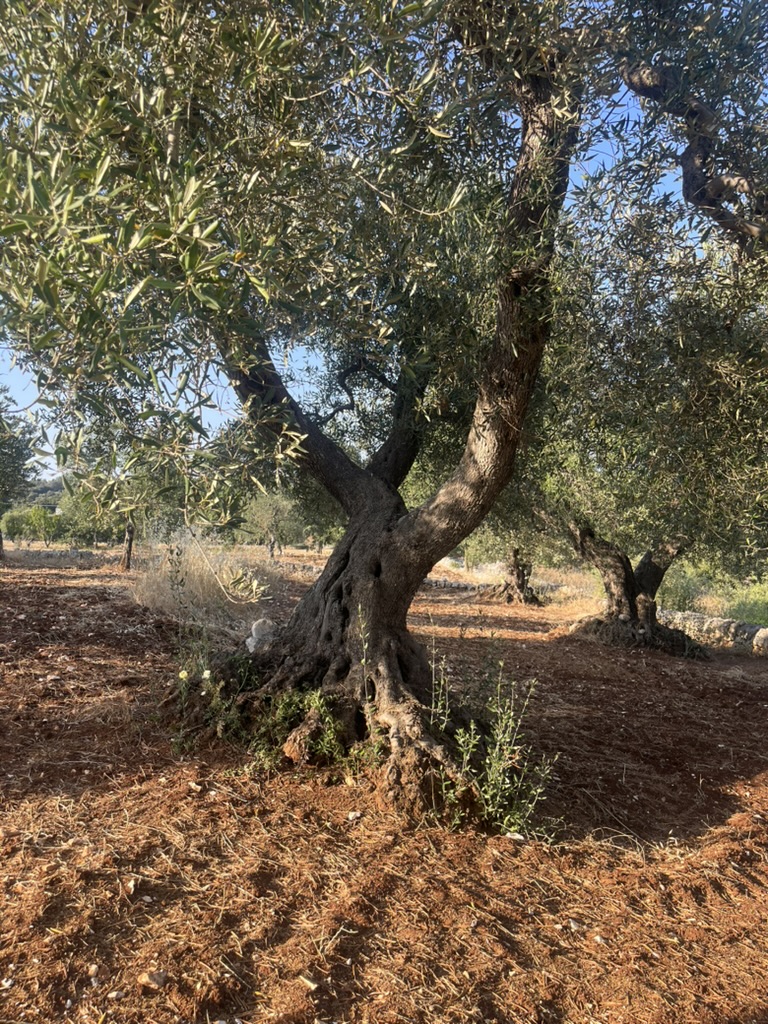
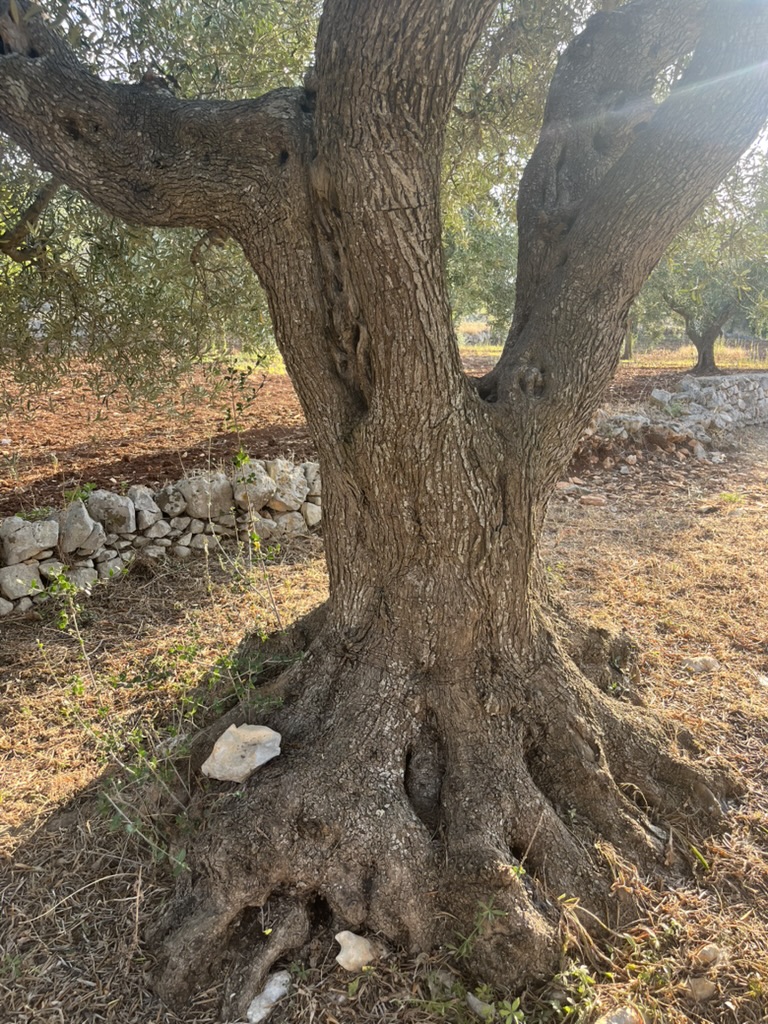
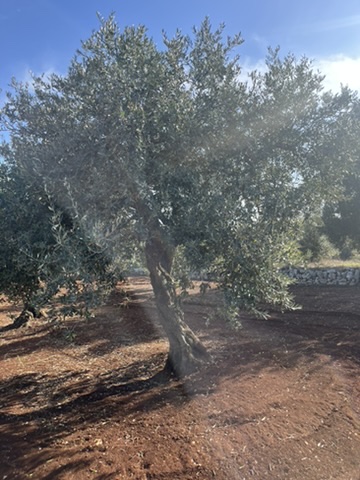
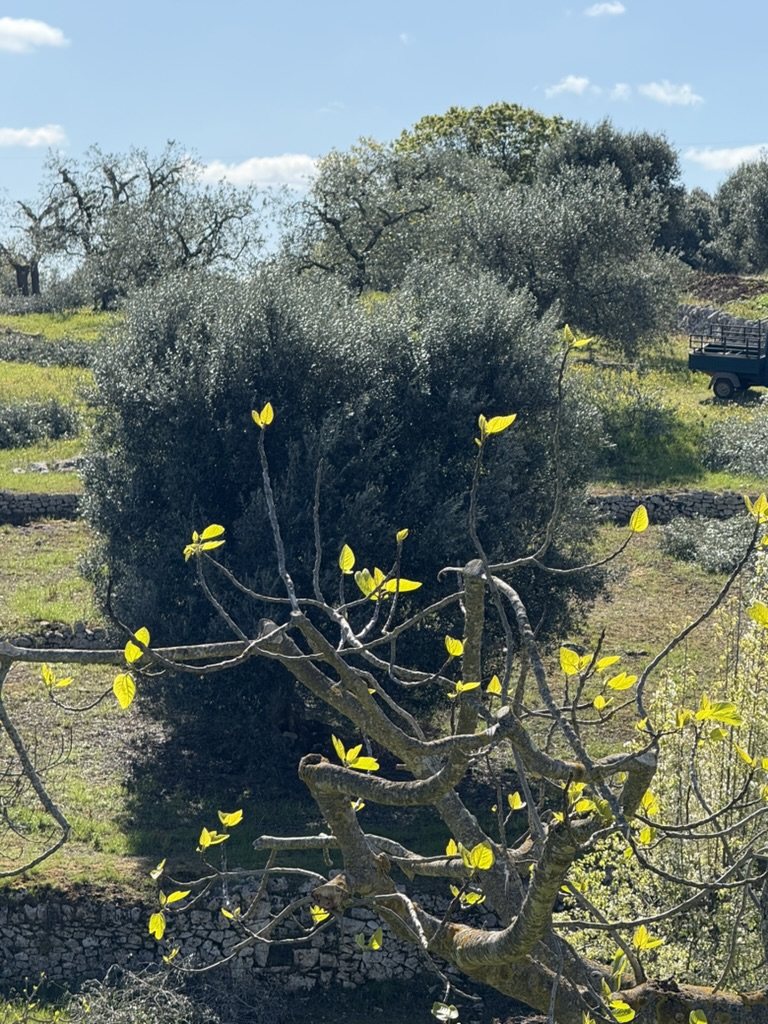
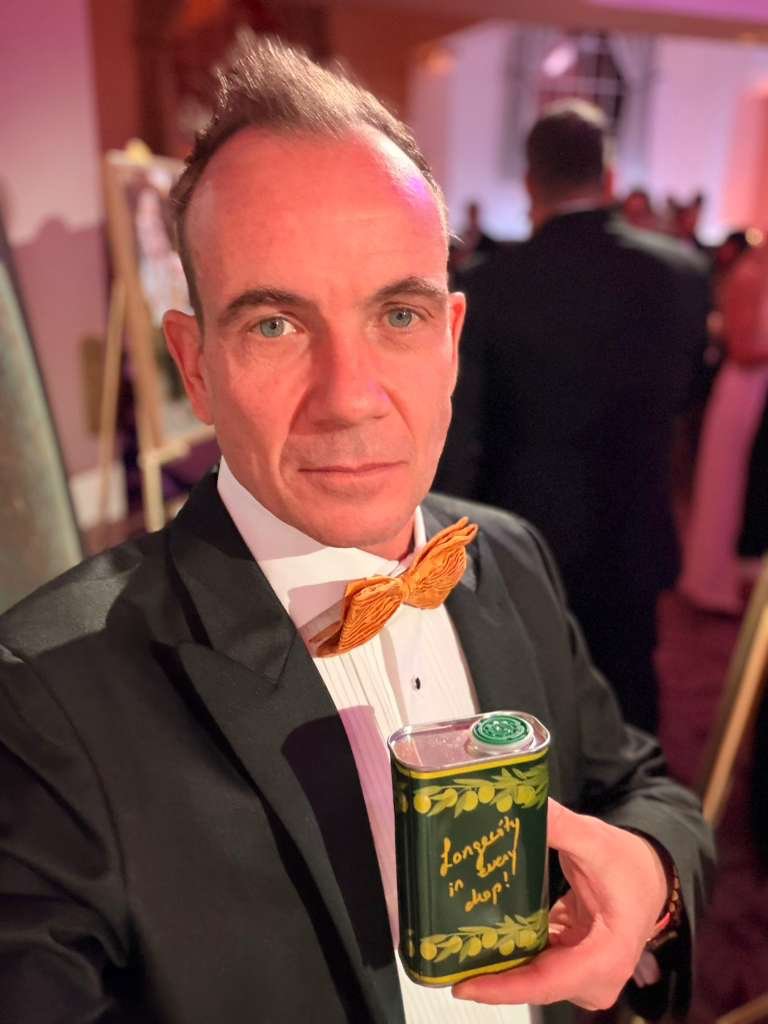
Our land holds over 200 centuries-old olive trees, along with figs, almonds, wild orchids, and ancient stone walls. Daniel understands ecosystems — in the operating room, every vessel and nerve exists in relationship; damage one, and the whole suffers. The farm is no different. Here we are creating a sanctuary for bees and biodiversity by restoring native habitats, planting wildflowers, and protecting natural water sources. A neurosurgeon's systems thinking, applied to the living web of the land.
Bees are honored as sacred messengers — guardians of balance between human and nature. Protecting bees is both ecological stewardship and spiritual service — a gift of harmony to the land and to the world.
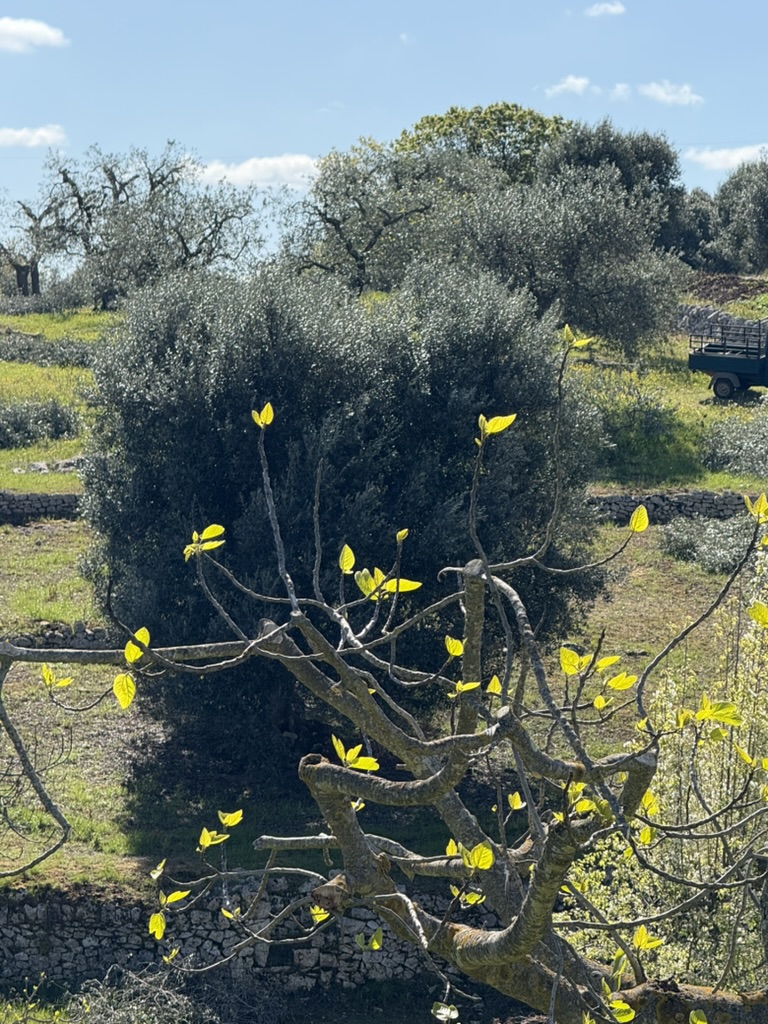 Mediterranean Flora · Seasonal Harmony
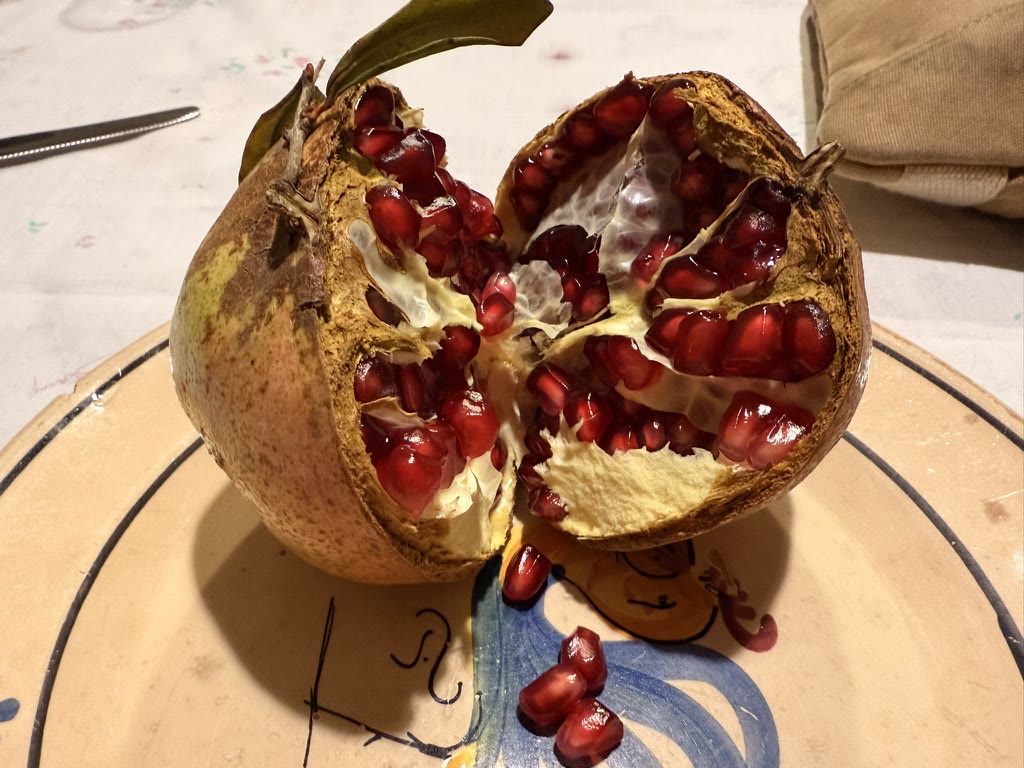
More than 200 centuries-old olives give canopy; the terraced walls give shelter and thermal mass. Figs, almonds, wild orchids, cyclamen, poppies and native maquis — mastic, myrtle, juniper, rosemary — make up over forty species of flora that carry pollinators through every season.
Native wildflower corridors restored, hedgerows of thyme, oregano and lavender planted, water protected within 20–50 metres of every hive. Drought-resistant cover crops between the groves hold the soil and stretch the forage calendar into the driest months.
It also shelters hedgehogs, hares, bats, hoopoes, kestrels and any number of reptiles and amphibians. This is not land made productive for bees; it is land restored so bees can restore themselves.
Species: Apis mellifera ligustica — the gentle, docile native honeybee of Italy
Prized for their gentle temperament, superior honey production, and exceptional adaptation to Mediterranean climates. They thrive in our restored ecosystem, where they find abundant forage and the shelter of ancient trees.
Lifespan: 4–6 weeks (summer workers), 4–6 months (winter bees)
East-facing terraces, around 100 centuries-old olives. The dry-stone walls give shelter and thermal mass, and the high sun gives the morning warmth bees need to fly. Landscape heritage protection secures it long-term.
Fertile limestone soils carrying around 50 century-old olives with almonds and citrus. Wildflower corridors keep forage abundant; natural springs and shaded microclimates do the rest. The highest pollinator density on the estate.
Open grassland with younger olive stands. Expanding here would add forestation, afternoon shade and wind protection, and widen the biodiversity corridors that give bees a more varied forage.
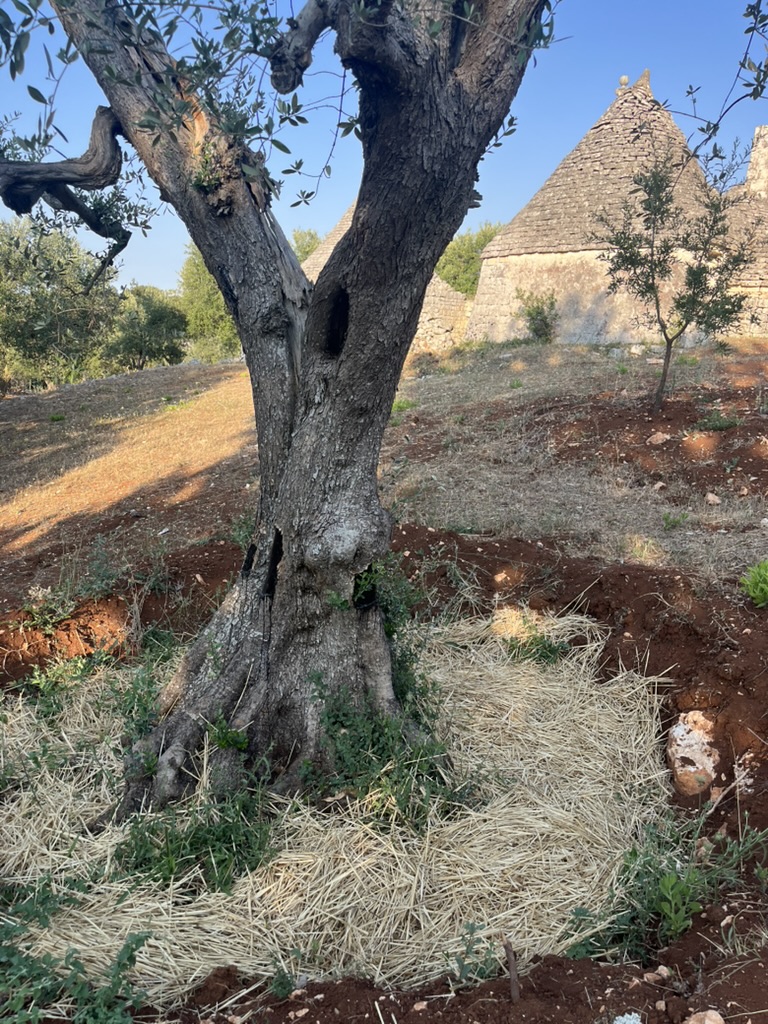 Symbiosis · The Integrated System
Olive flowering coincides precisely with honeybee population growth, providing abundant nectar and pollen for colony expansion. In return, bees dramatically improve olive pollination rates and fruit set.
Thyme, oregano, acacia, citrus, wild herbs, chestnut, and eucalyptus bloom in sequence throughout the year, sustaining colonies from spring through autumn. This is not coincidence. This is the land remembering its own intelligence.
Honey varieties: Millefiori (wildflower), Thyme, Acacia, Citrus, Chestnut, Eucalyptus — each one a liquid record of the season's conversations.
Our honey reflects the rich biodiversity of the land. Light, fragrant, complex in flavor. Varieties include millefiori (wildflower blend), thyme, acacia, citrus, chestnut, and eucalyptus — each expressing the terroir of its season.
Beyond honey: beeswax for candles and preserving, propolis for its natural antiseptic properties, and essential oils distilled from the herbs that cover the terraces. Nothing added, nothing taken away.
Production Metrics: €250–350/hive annually, 15–25 kg yields, direct sales €18–25/kg.
Profit is not the primary aim. The deeper purpose is providing habitat for bees, enhancing biodiversity, and sharing pure honey rooted in this sacred place.
Year One: 8–12 hives, carefully placed across the two estates.
Scaling to Year Two & Beyond: 15–20 hives maximum, respecting the carrying capacity of the land.
Placement Strategy: Each hive positioned 10–15m apart, with morning sun exposure and afternoon shade. Natural water sources within 20–50m. Shelter from strong winds.
Local Partnerships: Collaboration with regional beekeepers—Apicoltura Gocce d'Itria, Lato Verde, Apicoltura Laterza—to ensure best practices and sustainable management.
Four Guiding Principles: Harmony with nature — no synthetic chemicals, no forced productivity. Reciprocity with the land — returning more than we take. Biodiversity as wealth — measuring success in species, not yield. Cultural stewardship — preserving traditional Puglian beekeeping knowledge for generations to come.
The trees hold time. The bees hold breath. Together, they remember the world.
The sanctuary is a living project rather than a finished exhibit. Come and sit quietly among the hives, and watch the bees move between wildflower and olive blossom.
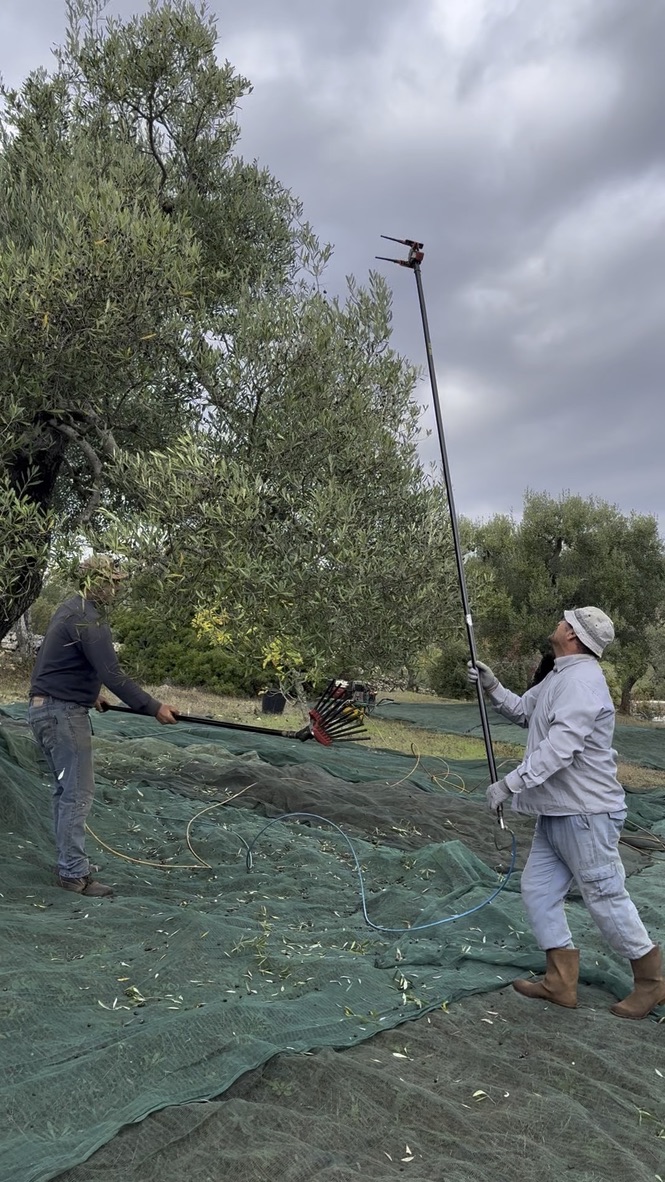
It is different in every season. In spring the air hums as the colonies expand into new comb. In late summer the honey harvest carries the floral memory of the Valle d'Itria. In autumn the bees and the olive harvest run in parallel.
We also welcome collaboration: beekeepers, ecologists, educators, and anyone drawn to the quiet discipline of caring for what is small and essential. The sanctuary grows not through ambition, but through relationship.
 Home
Home The Farm
 The Land
 The Renovations
 Overview
 The Trees
 The Olives
 The Harvest
 The Pressing
 2025 Vintage
 Bee Sanctuary
 Biodiversity
 The Steward