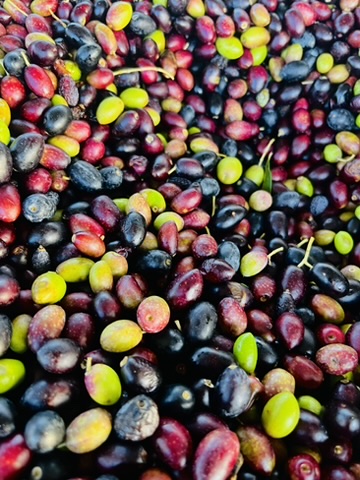
An olive is not harvested as food in its fresh state—it must be processed, cured, or pressed to become edible. Yet the fruit itself is extraordinary. Dense with oils, rich in polyphenols, capable of expressing terroir as profoundly as wine or coffee, it is one of nature's most concentrated sources of place-based flavor.
Two varieties grow here, each with its own character — both refined over centuries of Puglian cultivation until they fitted this microclimate exactly.
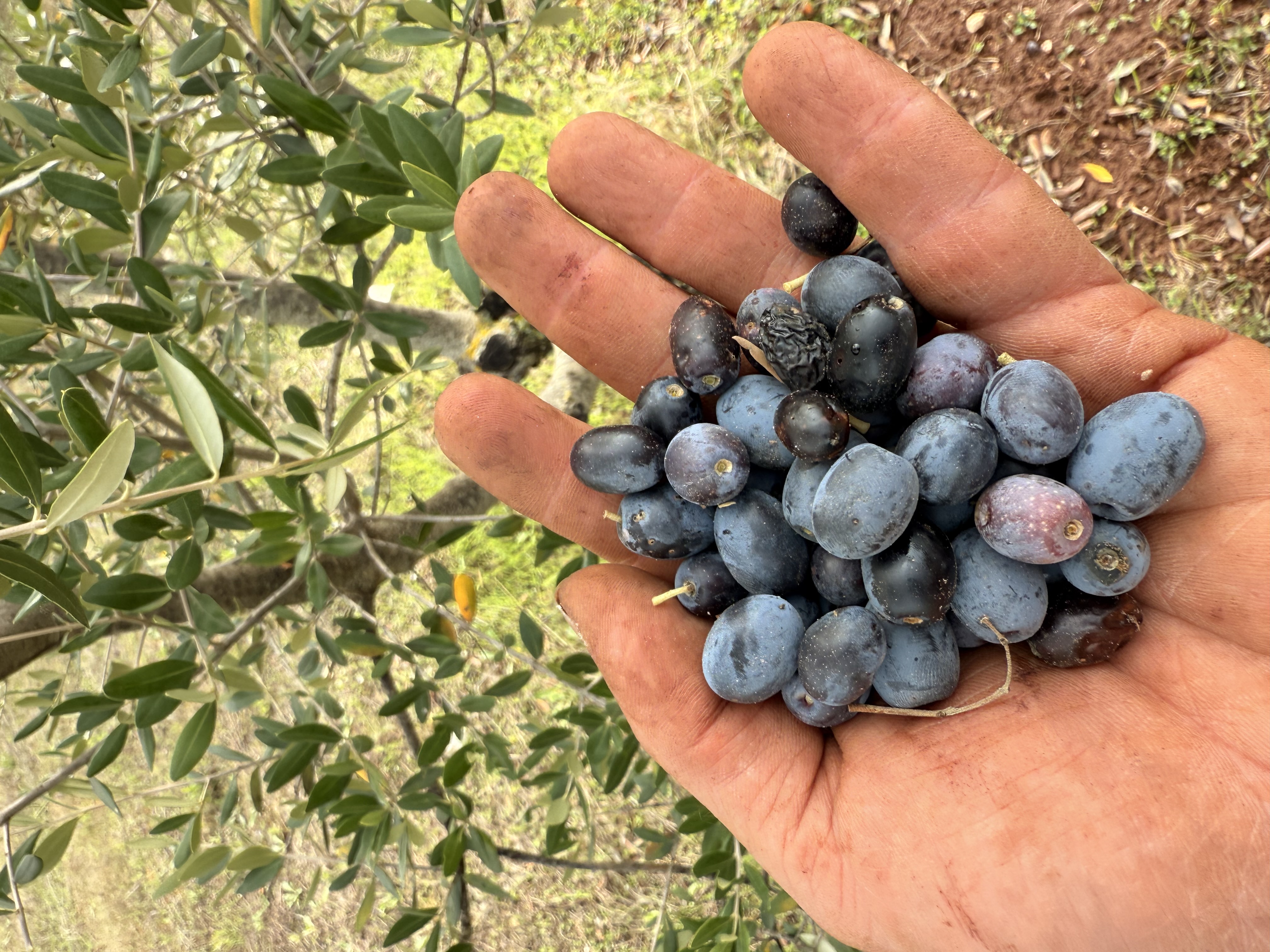 L'Oliva Nera · The Black Olive
Ogliarola Salentina is the delicate one: smaller, thin-skinned, high in oil for its size, giving aromatic and herbaceous oils. In the hand the skin yields to the lightest pressure.
Cellina di Nardò is robust and peppery — deeper oils with almond and bitter greens behind them. Vigorous, productive trees, and the backbone of the region's oil.
The two varieties grow in proximity, allowing cross-pollination and mutual support. Together, they express the complete vocabulary of the estate's terroir.
In May the white blossom opens and the bees move through it. Not every flower sets fruit; weather, stress and the tree's own reserves decide how many do.
By June the green olives have formed. They grow through July and August, storing oil and sugar as the heat drives photosynthesis, and by September they are full-sized but still green and hard.
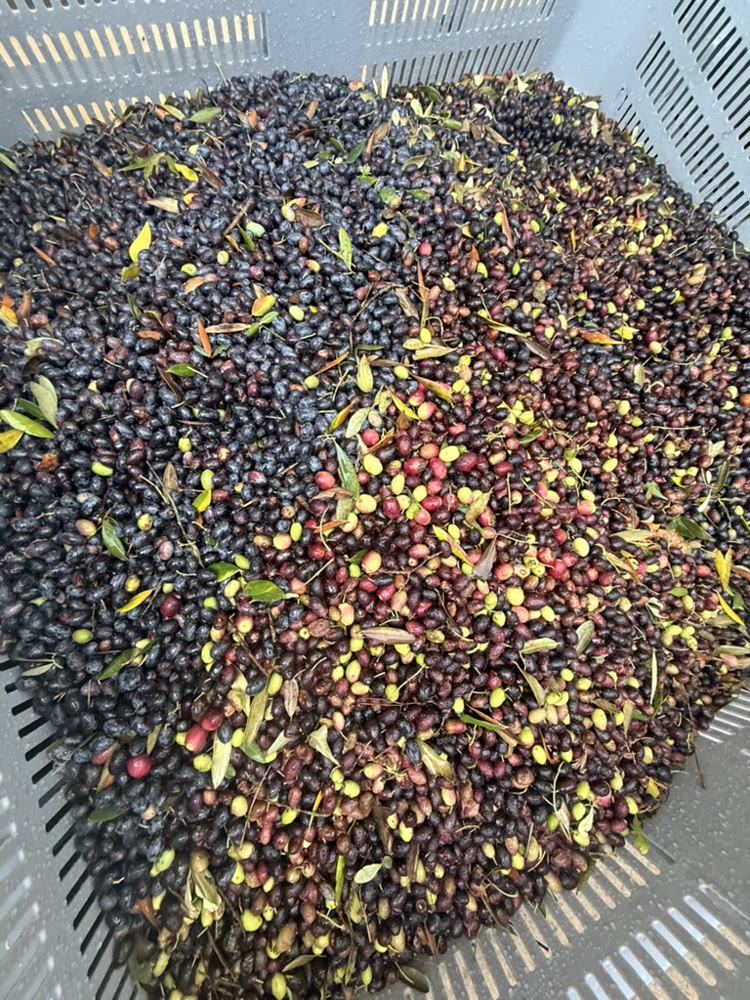 La Raccolta · Gathered From the Tree
In October comes veraison: green to purple to black. It is not cosmetic — inside, polyphenols oxidise, the oil concentrates, and the flavour deepens.
Pick early for the grassy, herbaceous oils; pick at full black for the mellow, complex ones. The window is only a few weeks in October and November.
The decision of when to harvest is made by tasting olives, feeling their firmness, and listening to what the grove tells you.
Hold one. An unripe olive feels hard, almost inert; a ripe one gives slightly under the thumb, thin-skinned over dense flesh. The faint waxy bloom on the surface protects the fruit on the tree — and tells you the oils inside have begun to turn.
The firmness is not hardness but structure — months of Mediterranean sun and limestone-drawn water built into something made to hold oil.
Crush one and smell it: cut grass and green tomato leaf early in the season, deep and nutty, almost mushroomy, late. Hundreds of volatile compounds dissolved in the oil, and under them the minerality of Puglian limestone drawn up through roots centuries old.
Those compounds are fleeting — they oxidise the moment they meet air. To smell an olive is to catch something mid-expression that cannot be kept.
A fresh olive is fiercely bitter — almost inedible uncured. The bitterness is polyphenols, the same compounds behind wine's tannins, and it is not a flaw but a sign of vigour. Bite an early-harvest olive and your mouth contracts; a late one is mellower, quieter.
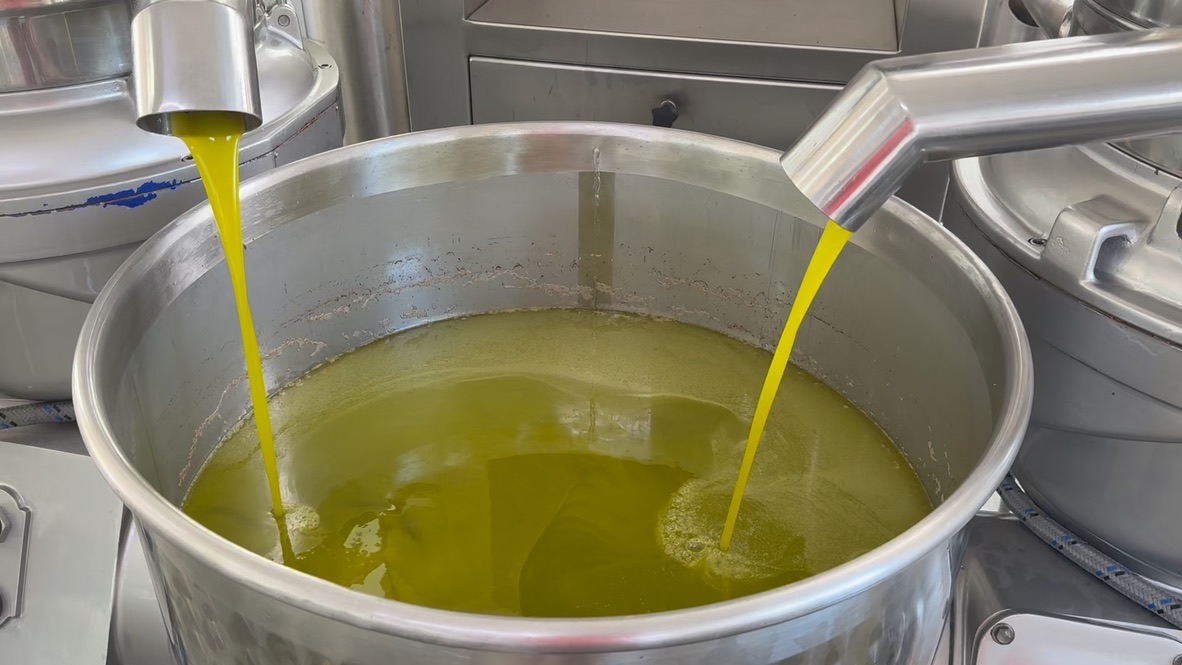
Months of salt and patience turn that bitterness into complexity. Pressed, the same polyphenols become the warm catch at the back of the throat — the signature of a living oil.
The olive expresses terroir as completely as wine. The same Cellina di Nardò gives a different oil elsewhere: altitude changes ripening, soil changes minerality, wind changes stress and composition.
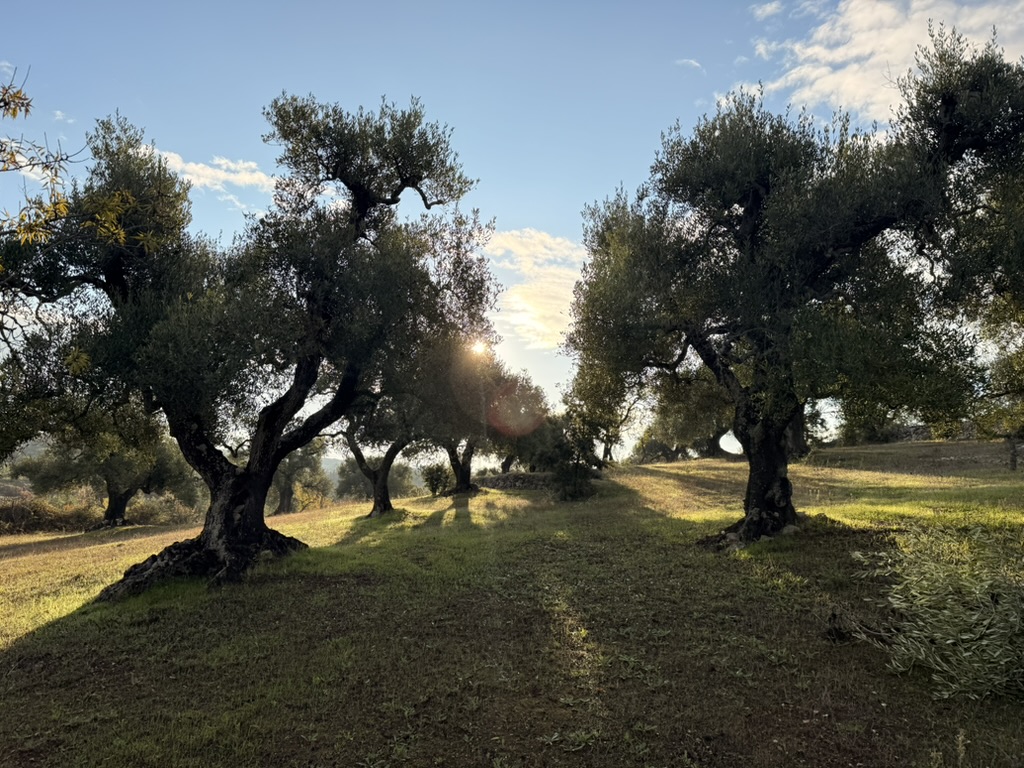
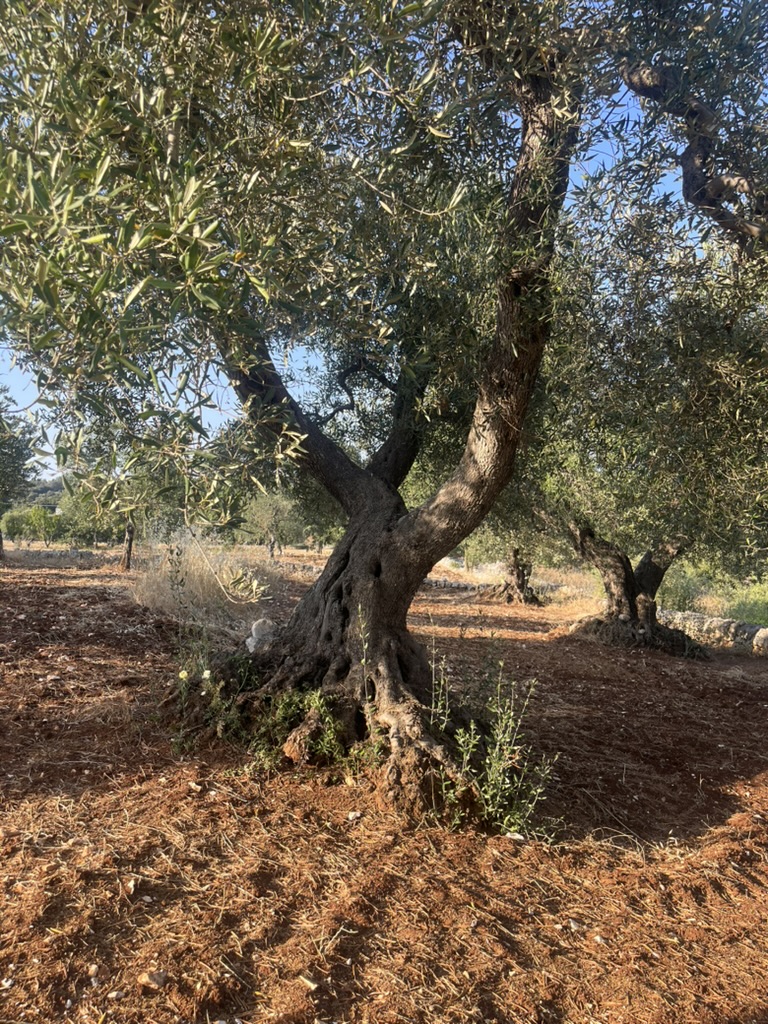
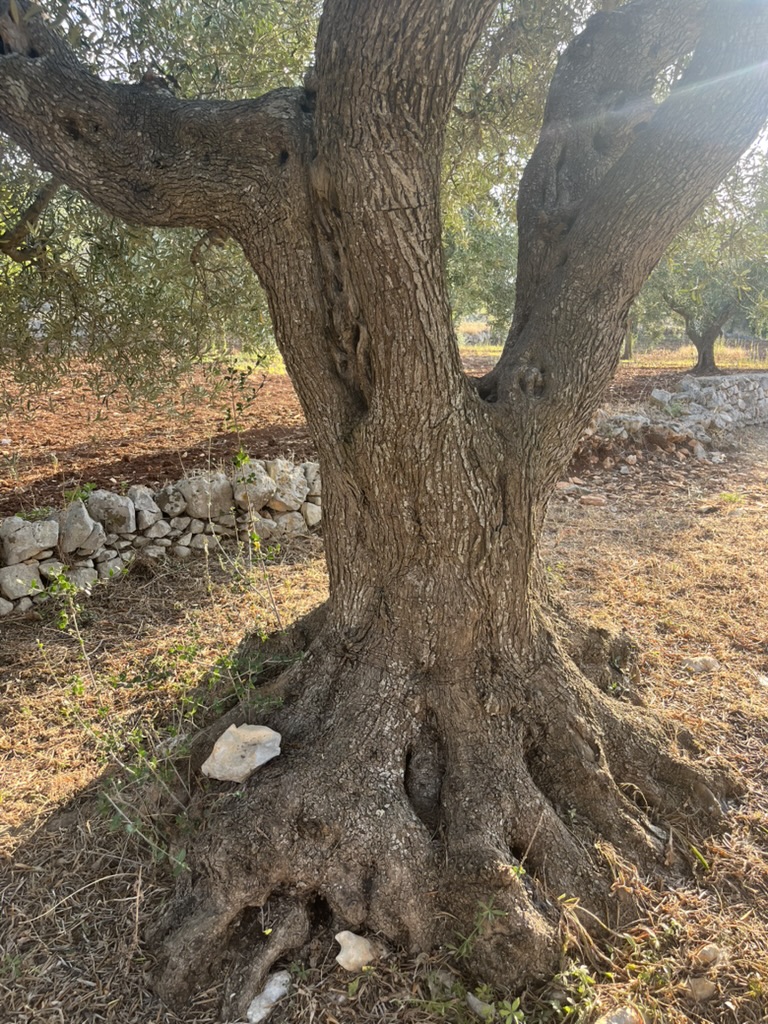
An olive from these trees — rooted in the same limestone for centuries, worked by the Adriatic wind, tended by people who know each one — is a specific place at a specific moment, and cannot be copied.
Each olive is a small universe of terroir.
Harvest sets the shape of the year — when family arrives, when workers are hired, when the press is booked. First olives in October, full flow by November, the last of them in December.
The window is tight. Too early and the yield drops and the flavour sharpens; too late and the freshness goes, or rain and an unexpected freeze take the crop outright.
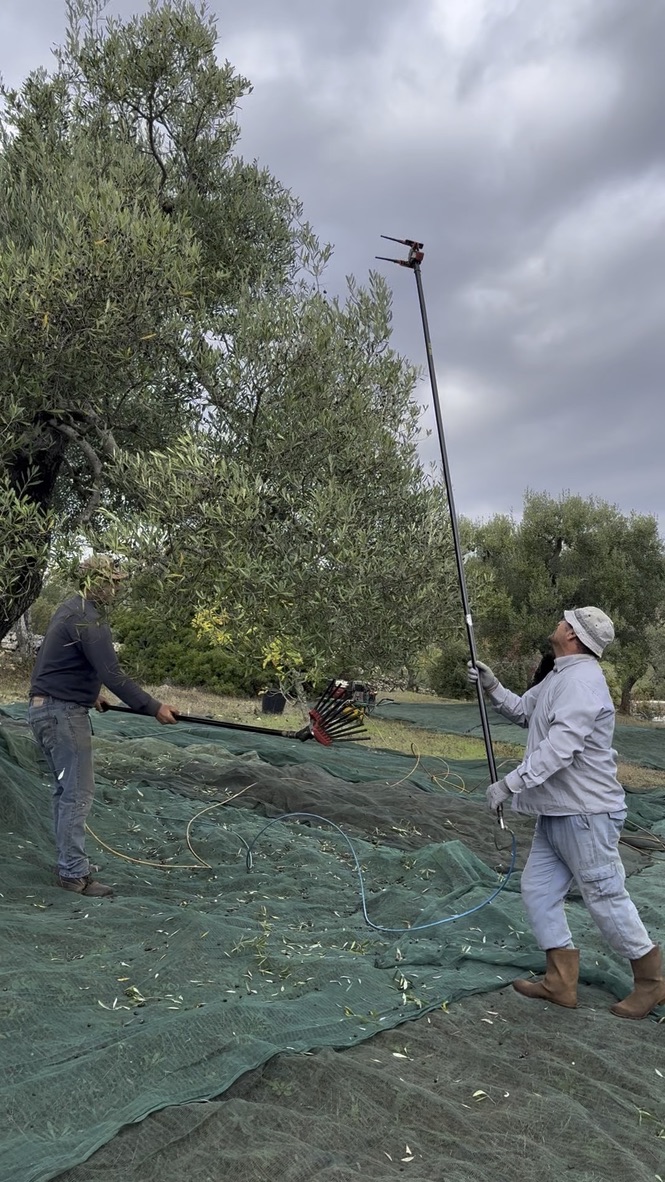
Come during harvest. Stand in the grove while the teams work the branches over spread nets, and taste an olive straight from the tree — the only way to understand why timing matters more than volume.
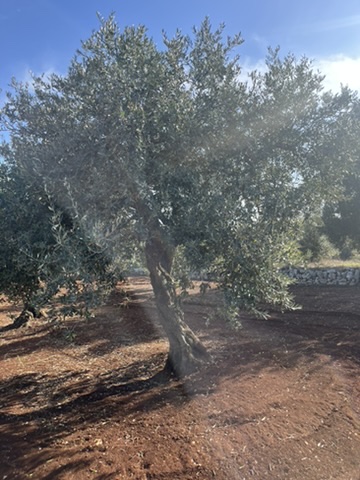
Every olive begins as a flower in May, carries through the summer heat, and comes good in October — from trees that have stood here for centuries.
 Home
Home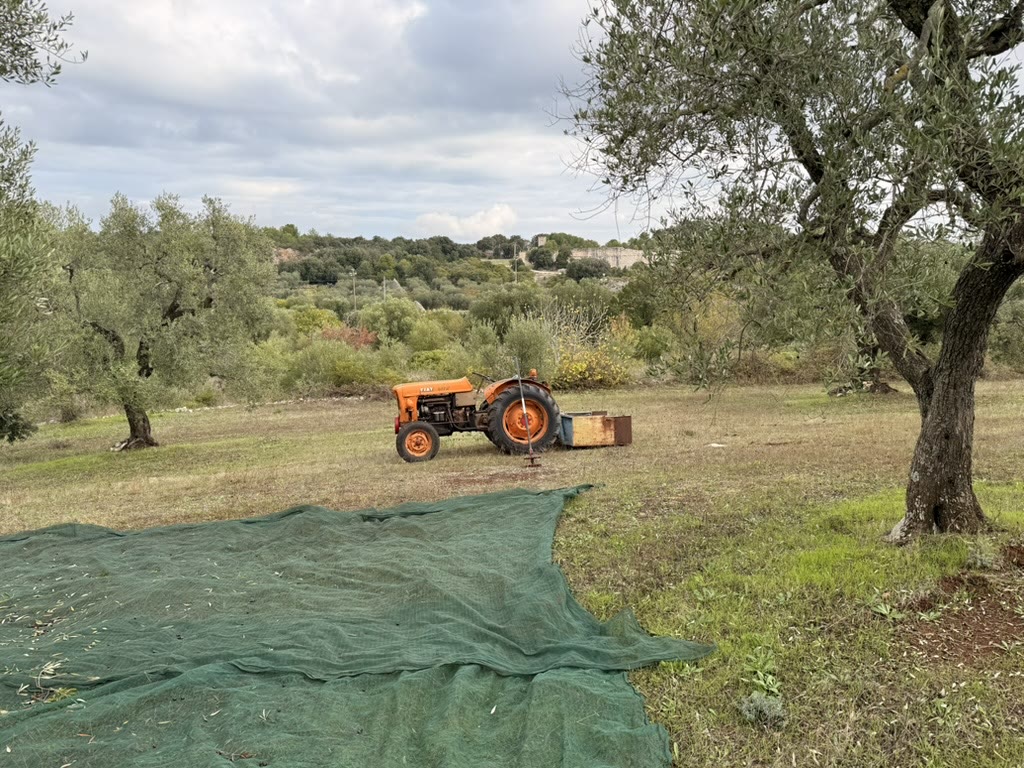 The Farm
 The Land
 The Renovations
 Overview
 The Trees
 The Olives
 The Harvest
 The Pressing
 2025 Vintage
 Bee Sanctuary
 Biodiversity
 The Steward